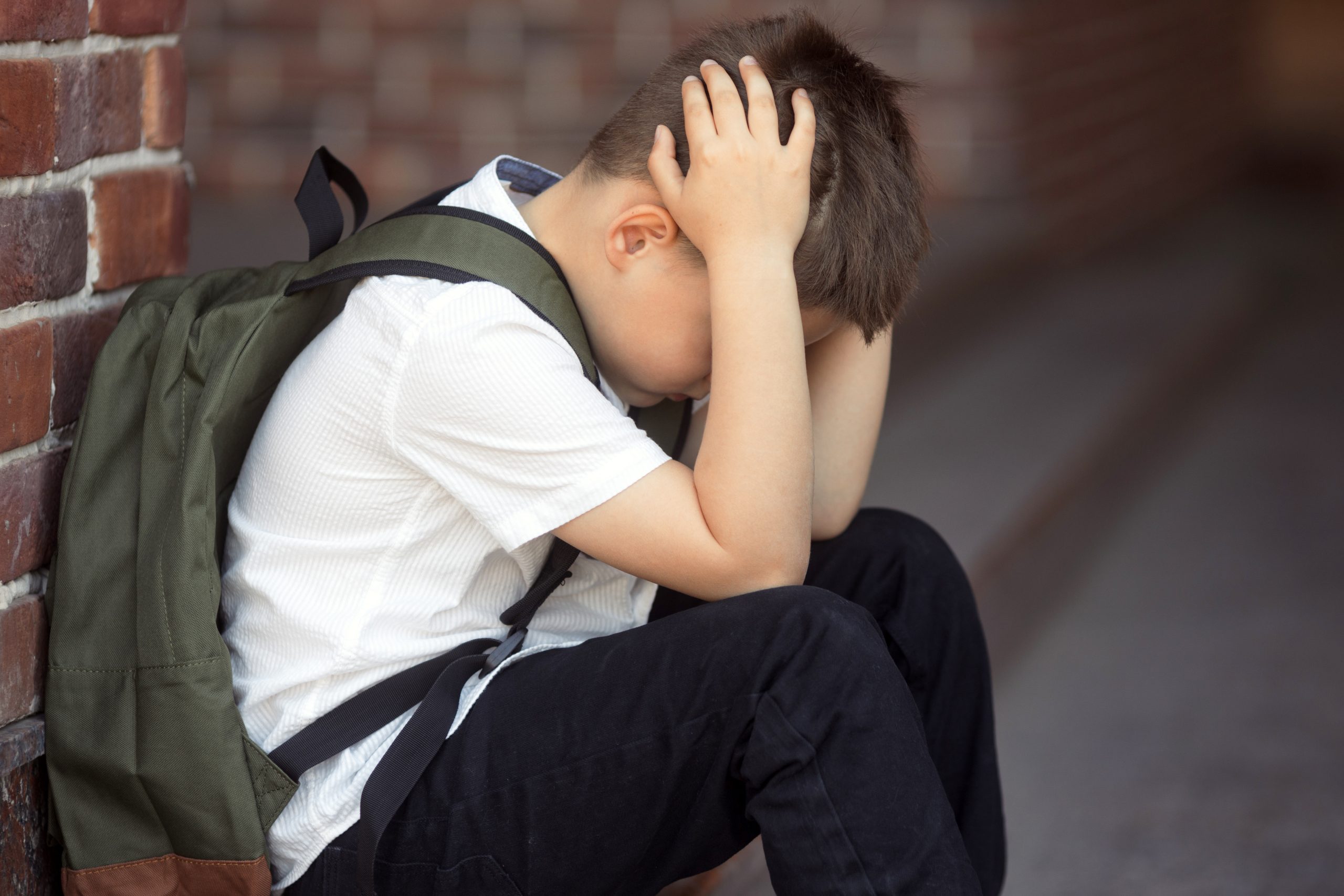
Children with SEND are the second most bullied pupils in schools, according to the government’s Annual Behaviour Survey.
The report, which covers the academic year 2023-24, found that among the pupils who admitted being bullied, 12% said it was because of a disability or special educational needs.
It was published shortly after Ministers announced the first phase of new integrated behaviour and attendance hubs.
The biggest cause of bullying, 46%, was for appearance, while race and ethnicity accounted for 10% of cases.
The annual survey collects data on pupil behaviour in state-funded primary, secondary and special schools in England, from school leaders, teachers, pupils and parents/carers.
Its aim is to evaluate behaviour in schools over time, and covers aspects such as school culture and policy, pupil voice, school environment and the frequency and impact of poor discipline.
Other significant data relating to SEND found in the report includes:
Frequency and impact of misbehaviour
- Special school teachers reported more lesson minutes were lost due to misbehaviour than primary school teachers or secondary school teachers (10 minutes compared to seven minutes).
- Secondary school leaders (70%) were more likely than primary school leaders (55%) or special school leaders (42%) to report that between one and 10 minutes of teaching time were lost due to misbehaviour in the past week.
Understanding school rules
- Parents of primary school pupils (90%) and secondary school pupils (93%) were more likely than parents of special school pupils (48%) to agree that their child understands what will happen if they don’t meet expected standards of behaviour.
- Parents of primary school pupils (92%) were more likely than both parents of secondary school pupils (84%) and parents of special school pupils (66%) to say that their child found it easy to follow the school’s rules on behaviour.
Managing classroom behaviour
- Special school teachers (44%) felt more confident than primary school teachers (32%) or secondary school teachers (28%) in managing misbehaviour in their school.
School communication about pupil behaviour
- Parents of secondary school pupils (43%) and those of special school pupils (50%) were more likely than parents of primary school pupils (23%) to say they receive regular updates on their child’s behaviour.
- Parents of primary school pupils (88%) were more likely than parents of secondary school pupils (77%) and parents of special school pupils (80%) to agree that they were supportive of the school’s behaviour rules
School environment and relationships
- Primary school leaders (87%) were more likely than secondary school leaders (72%) or special school leaders (74%) to report that their school had been calm and orderly ‘every day’ or ‘most days’ in the previous week.
- Secondary school teachers (90%) were more likely than special school teachers (82%) to report that school staff had been respectful to each other ‘every day’ or ‘most days’.
School belonging
- Parents of secondary school pupils (64%) were significantly less likely than parents of primary school pupils (83%) and parents of special school pupils (74%) to say that their child had enjoyed going to school ‘every day’ or ‘most days’ in the past week
- Parents of primary school pupils (71%) were more likely than parents of secondary school pupils (45%) and parents of special school pupils (56%) to say their child had felt safe ‘every day’ in the past week.








