In schools, a transition means a movement or change in the environment, relationships, behaviours, routines, roles and expectations.
Children have to manage this multiple times a day.
Even when primary pupils remain in one classroom throughout, the daily transitions include coming into and leaving school, moving between activities within a lesson, moving from the carpet to a table place and going to assembly, play, lunch, PE and possibly interventions or other groups.
As they get older and the number of room and subject changes increase, the demands on children who struggle with change increase further.
Why do children struggle with transitions?
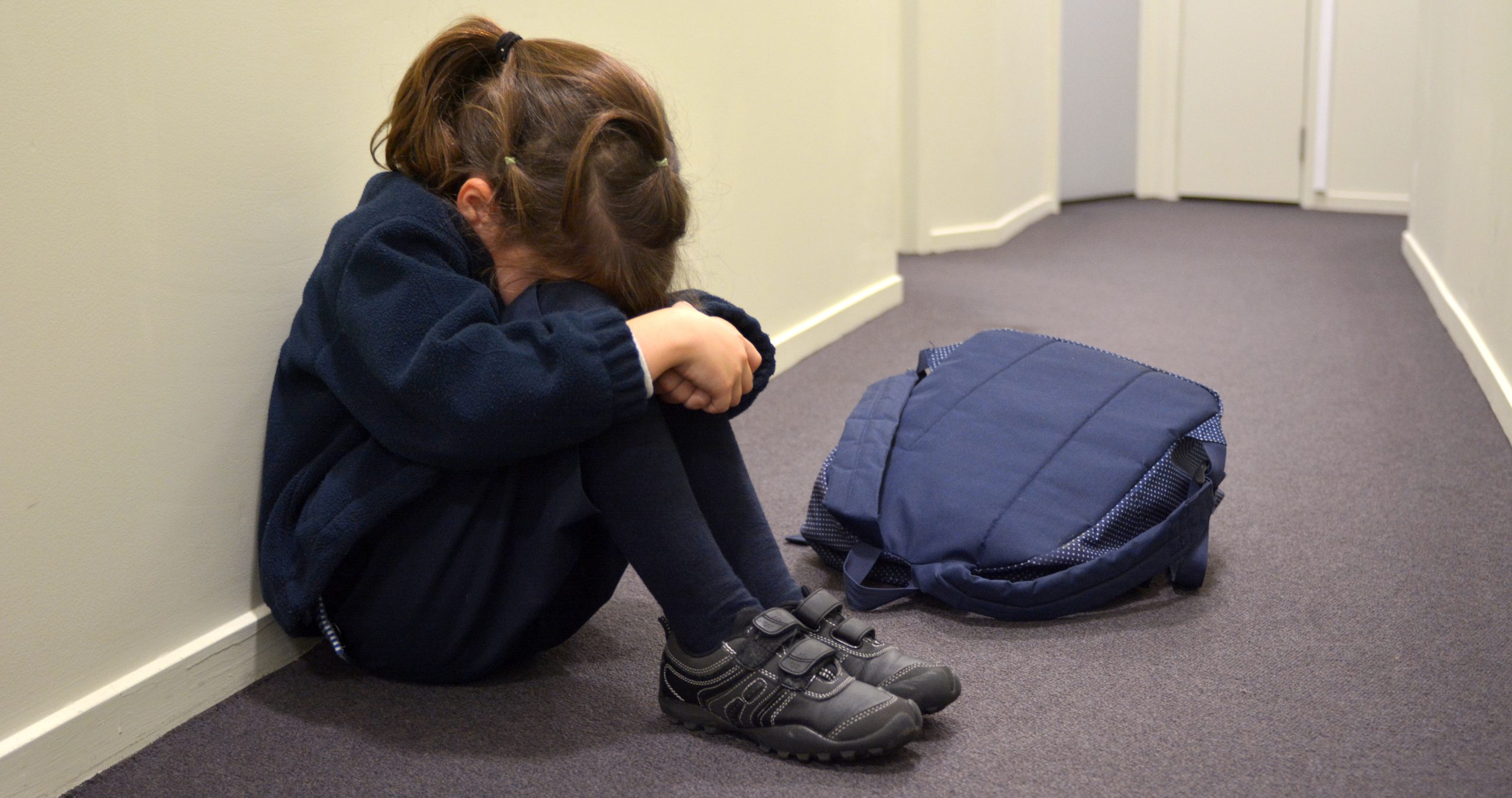
It is not just children with autism who struggle with change. Children with attachment issues or anxiety, those with experience of bullying and those who struggle to understand the workings and expectations of the school system, can also find transition problematic.
Changes within the school day challenge their sense of security, confidence and belonging, and produce unknowns and uncertainty. Doing something once, does not mean they feel secure enough to do it again. We should not assume because children can manage some changes, they can manage all of them.
They may be able to manage change in a familiar setting, with familiar people and activities, but as soon as one of these variables change – for example, if there is a supply teacher, it rains or the seating plan is different, transitions can become more challenging.
Children are also affected by whatever happened before they came to school, and this will impact their ability to manage change on that day.
How to support transitions
It is important to recognise and accept children’s emotions and worries, and to give them time and safe places. If possible, calming activities need to be introduced before the child is at the point of crisis.
The more we can remove uncertainty the more confident the child will feel to manage transitions. Visual timetables displaying what is planned for the day, including lunch and home time, are essential for all children.
This should be enhanced with the use of an ‘Oops’ card. Often things do not go as planned and there are changes at short notice. The ‘Oops’ card is a way of marking this and explaining that the change is safe.
Support on entering the room.
The biggest change for many children is coming into school or classroom. Supporting them in those first few moments can make a huge difference to the whole day or lesson.
- Meeting and greeting children as they come into the room. A simple hello and a smile make them feel welcome, valued and wanted. This interaction allows the adult to assess where the child is and implement support if needed.
- Give them a job or role. Some children benefit from a particular role in class, so they know what they will be doing as soon as they enter and that their input is valued.
- Staggered starts. These are great for children who find coming into school with everyone else overwhelming. They may need to come in earlier, later, or through the office. Some calm time with an adult before lessons start can be comforting.
- ‘Morning’ slides. These provide familiarity and security as children enter the class and should be the same every day/ lesson. They provide expectations for the lesson, and reminders about the equipment needed. This can be adapted so each lesson starts the same way.
It is important that children are not penalised for what they cannot help. This quickly exacerbates issues increasing anxieties and difficulties with transitions
Change within the lesson
Tracking through the lesson. The teacher knows what should be happening in a lesson because they planned it, but this will not be clear to the pupils. Tracking on the board where we are in a lesson can help children have a greater understanding of what is happening, and how much of the lesson is still to come.
It might look like this: Entering the room > teacher input > individual working > group learning > last five minutes.
Some other approaches might include:
- Now and next cards. Some children need the visual timetable broken down further, so that it is divided into ‘now and next’ cards. ‘Now you will do this, next you will do that’. For children who need regular rewards and motivation, this works better as ‘if…. then’: ‘If you do this, then you can do this’.
- A task management board. This breaks down the tasks expected within a lesson into smaller steps. Ideally this list will be written with the child. As each stage is completed, the child can tick it off, providing reassurance that they are doing the right thing and making progress.
- Checklists for specific times of day. These relate to points of the day or tasks, for example, changing for PE, getting their belongings at the end of the day or going to a music lesson. They provide security and reduce anxiety about the transition.
Out to, and in from, play
Unstructured times in school provide a significant change in environment, relationships, behaviours, and expectations. For some children these ‘fun’ times are more stressful than the more controlled and predictable environment of the classroom. In addition to the strategies in place elsewhere in the day, support at this point of the day could include:
- Time to calm and readjust to the changed expectations of the classroom environment.
- A safe and quiet place available during the break
Sensory issues
In some children, difficulties with transitions are based in sensory issues, which relate to changes in noise, movement or verbal stimuli. Some pupils find it hard to sit comfortably. Neither school chairs nor sitting on the floor are sustainable for many children, but they can be supported by
- Movement breaks. Often, simply a chance to stretch or hand out books is enough, though some children will need time outside the classroom to re-set effectively.
- Use of fidget objects or toys to support learning.
It is important that children are not penalised for what they cannot help. This quickly exacerbates issues increasing anxieties and difficulties with transitions.
Evaluating and celebrating success
To build children’s resilience and confidence to manage transition successfully we need to not only notice and respond when they struggle, but also identify when they manage successfully, highlighting and praising this. This is key to building their independence.
Equally, if we are to support children to manage transitions successfully, we need to be consistent. If support is in place when some staff are present, but not others, this increases, rather than reducing uncertainty and anxiety.
Effective communication and a shared agenda are key to effective support for transitions. Transition is not a problem that can be solved once – it needs to be supported repeatedly and consistently.