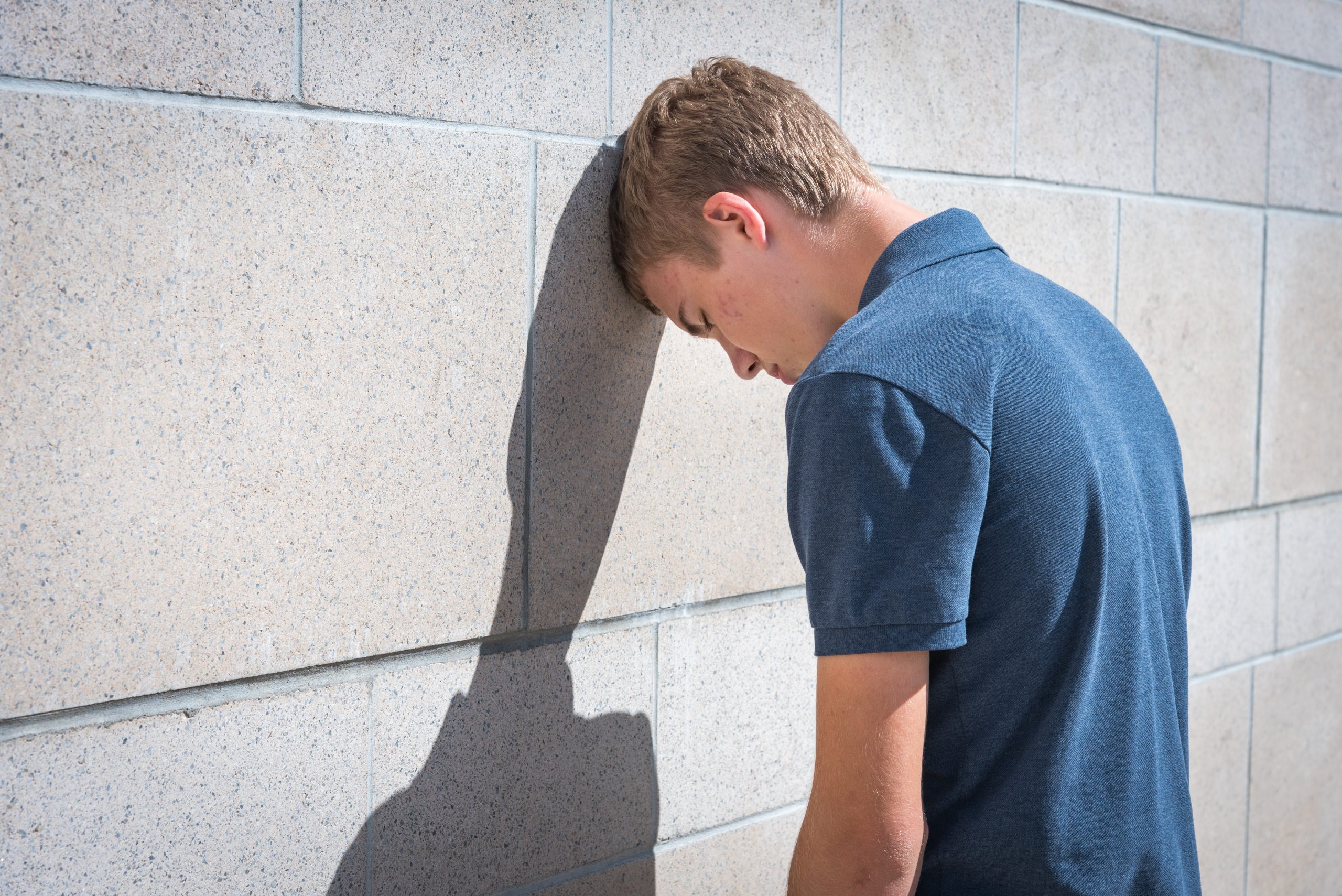
If your child is still reeling from the effect of going back to school after a long break, then they are not alone.
A new report has found that more than half of UK children feel anxious about returning to school after a holiday, with one in five admitting that the anxiety is never-ending.
The study of 500 young people aged 11-16 years found that two in five found the return following the long summer break the most anxiety-inducing, and just over a quarter considered not returning after a half-term holiday.
The report Marked Absent: The Impact of Back-to-School Anxiety, from Save My Exams in collaboration with Tutorful, suggests that post-holiday mental health issues are a major factor of Emotionally Based School Avoidance (EBSA).
Furthermore, almost two in five students said they didn’t feel sufficiently well-supported in school and that teachers didn’t provide enough help. One in five felt that school staff weren’t knowledgeable about school anxiety and only 6% felt comfortable discussing this with a school counsellor.
Impact of school-based anxiety
Almost a third of respondent said back-to school anxiety affected their concentration and overall ability to work well in school, and two-thirds believed this negatively impacted academic performance.
Almost 60% of students said they felt less engaged and motivated due to back-to-school anxiety.
“There is a well-established link between back-to-school anxiety and absence, but what is clear from our research is that the effects of this anxiety on student motivation, engagement, concentration and behaviour are having a severely detrimental impact on student outcomes,” the report found.
Effects on well-being
Young people felt school-based anxiety negatively impacted their emotional and mental health, with a third experiencing emotional overwhelm and cognitive symptoms like overthinking or poor concentration.
Academic performance was the biggest trigger, with almost 40% admitting they get stressed over exams, test and schoolwork. However, for many students the stress stemmed from social challenges such as bullying or fitting in – a cause of back-to school anxiety for neatly 20% of students.
Almost a fifth feared the unknown when returning to school, and felt anxious about meeting new teachers, or changes to classes or routines.
Meanwhile, a third of respondents said they couldn’t switch off during the school holidays due to anxiety about going back to school.
The study said: “Our research also found that back-to-school anxiety displays in a variety of ways, including manifesting in physical symptoms: 33% of UK students stated that back-to-school anxiety led to feeling overwhelmed, nervous or panicked, and 21% of respondents reported insomnia, headaches and vomiting due to their anxiety.”
More support and understanding
Respondents to the study said they wanted schools to be more sympathetic to their calls for help and support. Just over a quarter of students said they wanted more flexible deadlines and for expectations to be more reasonable. Almost 25% claimed they had been wrongly disciplined for behaviour related to their anxiety.
The study states: “Whatever level of mental health provision exists in schools – and even with the Labour government’s pledge of a mental health professional for every school – it is clear that pupils do not currently believe that this provision is suitable. Perception matters here: more needs to be done culturally to encourage and enable students to access support that does exist.”
Better support and services
The report went on: “We are calling on the government to continue to invest in mental health services for schools – their current commitment to providing a mental health professional to all schools by 2030 is insufficient to stem the prevalence of anxiety in school-aged children – and to significantly widen access to RISE mental health centres so that all students in the UK have access to these vital services.
“They would also do well to work collaboratively with school leaders and parents to provide the support and guidance they need to solve this crisis.”