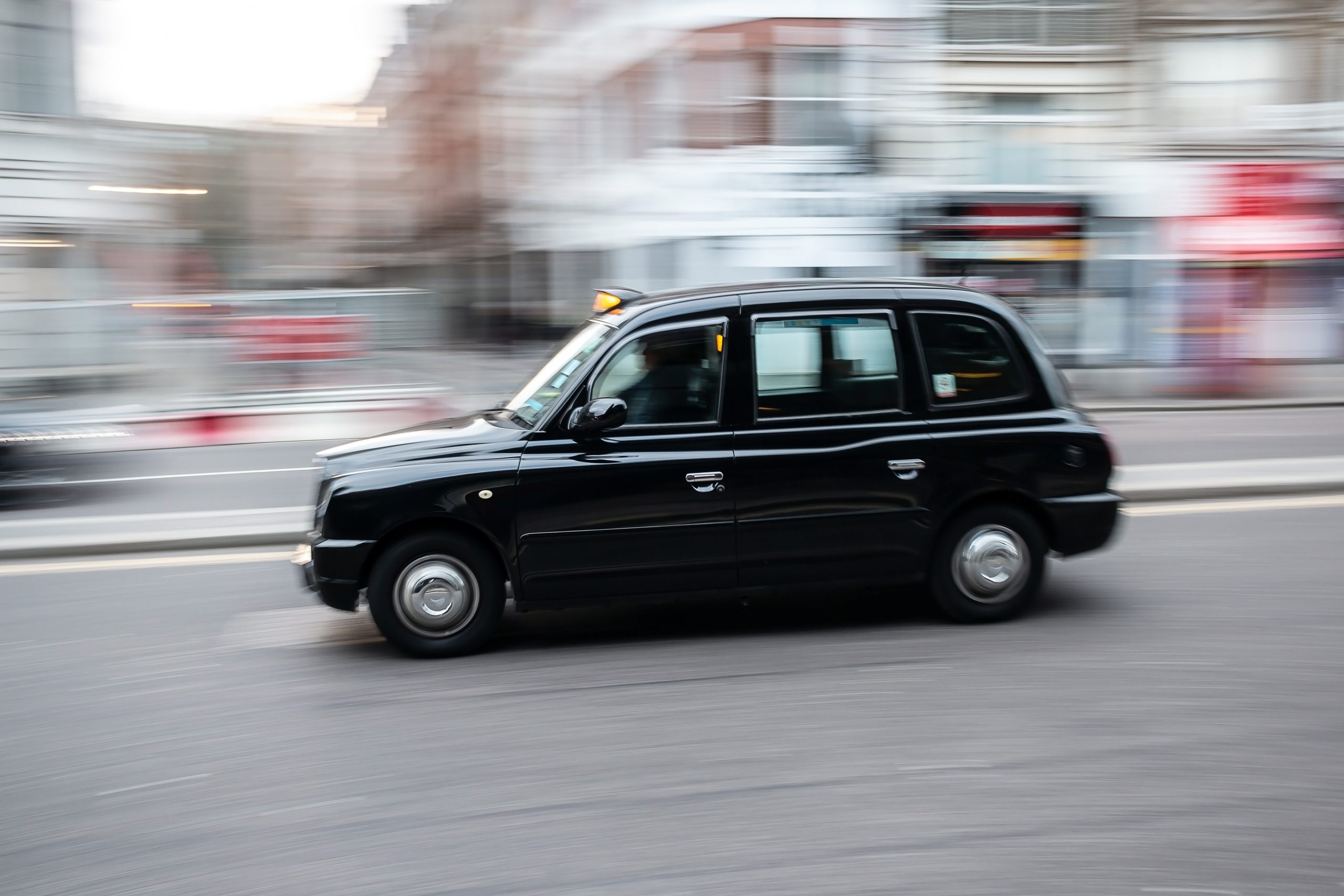
Council spending on transport for SEND pupils in England has hit a record high because of “huge inefficiencies” in the system, a major provider of school taxi services warned.
Andy Mahoney, chief executive of 24×7 Group, said he had come across “absurd” scenarios where one taxi was sent to drive a student to a school fifty miles away while another was used to take pupils in the opposite direction.
Mahoney runs the only major company in the UK that exclusively provides transport services for SEND students, and argued that with more central planning, school places could be reallocated, so pupils are educated closer to home.
“There are huge efficiencies that can be dealt with,” he told the Financial Times. According to an analysis of figures by the newspaper, SEND transport costs hit £2.26bn in 2023-24, more than double the figure for 2015-16, when the data was first recorded.
Consortia should bid for contracts
Mahoney said taxi companies should form consortia to bid on transportation contracts instead of local authorities making piecemeal deals with individual firms. He estimated cost savings of between 25% and 60% using this model.
“I’m not in business to make excessive profits,” said Mahoney. The company, which works with 96 councils, had an operating profit margin of 8% in 2024-25, broadly in line with other taxi groups.
His comments come as ministers prepare to release a white paper in the autumn setting out proposals for an overhaul of the SEND system, which has placed enormous strain on local authority budgets across the country.
According to a recent report by the Local Government Association, the average cost of SEND transport per student is £8,900 per year, which is a daily spend of £46.84 per pupil.
However, some local authorities are paying far more than the average. According to freedom of information requests sent to ten councils by the FT, Hampshire was budgeted to spend an average of £86 per student per day in 2025-26, North Yorkshire was forecast to spend £78, while Surrey and Cheshire West and Chester were spending an average of £58 per student per day.
Provision for under-16s at special schools accounts for two-thirds of total spending on home-to-school transport and has largely increased as a result of a surge in the number of students being awarded education, health and support plans (EHCPs).
The areas spending the most money on SEND transport are those with some of the highest number of children with special needs and EHCPs — Kent (£81.5m in 2023-24), Hampshire (£72.6m) and Norfolk (£67.7m).
Some local authorities, including Leicestershire, are now considering cutting transport for post-16 SEND students, potentially leaving young people without access to colleges and work or apprenticeship placements.








