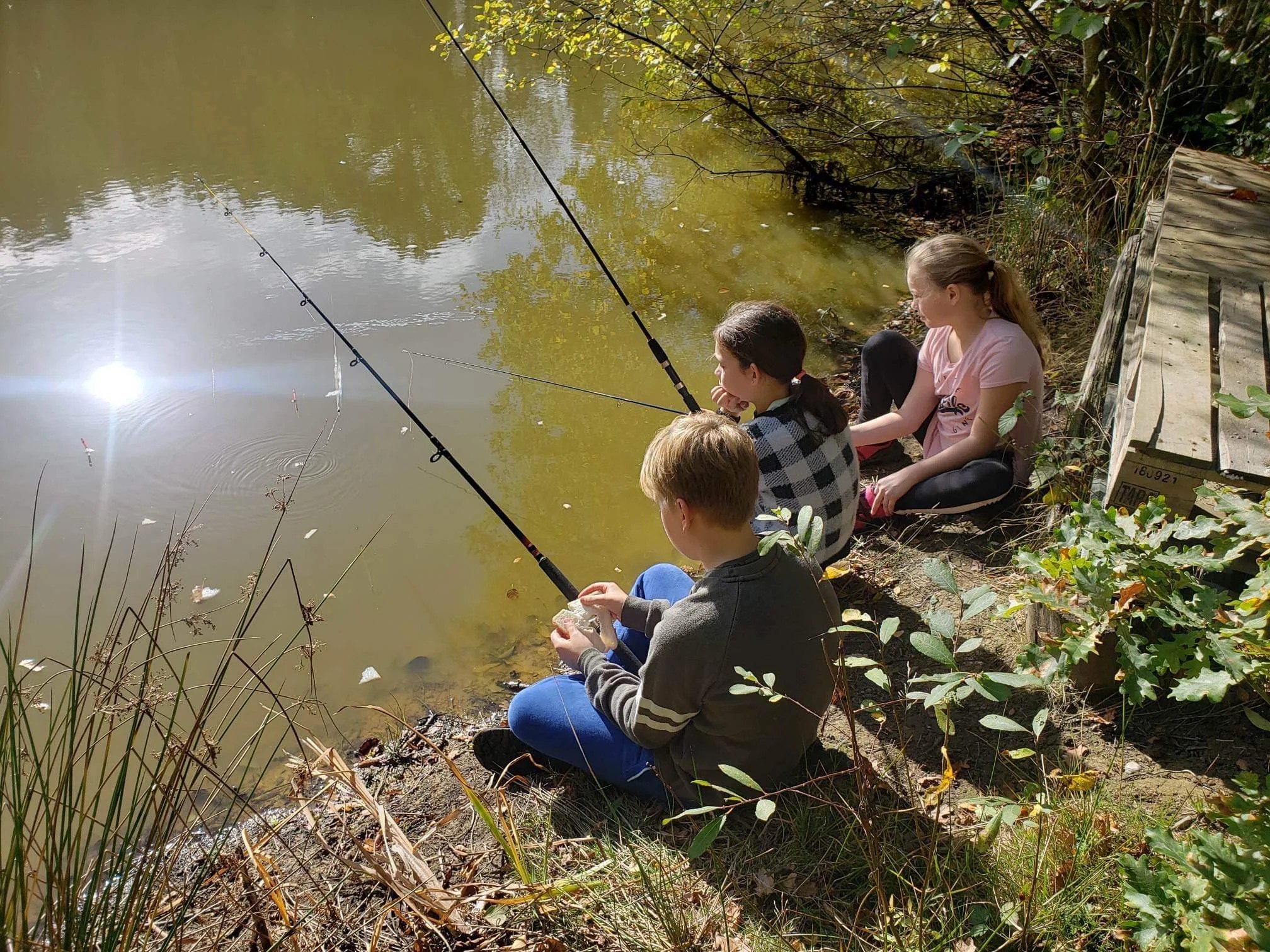
Something remarkable happens when children step into the woods. For many, it’s a spark of curiosity. For others, especially those with special educational needs and disabilities (SEND), it can be the first time they truly exhale. At Willow Bushcraft CIC, we’ve seen how a forest school environment supports children who find mainstream education challenging, and empowers them to grow emotionally, socially, and physically in ways they and their families never thought possible.
Forest schools offer a holistic, nature-based approach that nurtures the whole child. For those with additional needs such as ADHD, autism, or sensory processing differences, the shift from an overstimulating, structured indoor setting to a natural, unpressured outdoor space can be life-changing.
In the woods, academic ability takes a back seat to real-world problem-solving, communication, and resilience
At the heart of this transformative project is a unique partnership between Woodlands.co.uk and Willow Bushcraft CIC. By providing access, free of charge, to a stunning Kent woodland, Woodlands.co.uk makes it possible for Willow Bushcraft CIC to run our life-changing forest school programme. This collaboration is rooted in a shared belief that woodlands should be places of growth, healing, and opportunity for all.
Nature as a regulator
One of the most immediate effects we witness is how children begin to self-regulate in the woodland setting. Nature has a unique rhythm that is gentle, non-judgemental, and full of calming sensory input. The rustle of leaves, the sound of birdsong, and the texture of bark and earth all help reduce anxiety and overstimulation. For many SEND children, who often struggle with transitions or loud, busy environments, the forest offers predictability without strict structure. Children move at their own pace, guided by curiosity instead of a timetable.
This sense of safety and freedom helps reduce challenging behaviours. Rather than being corrected or contained, children are supported to explore, make choices, and discover their strengths.
Learning without limits
Forest school is not simply outdoor play. It is a carefully facilitated, child-led learning experience grounded in exploration and connection. Activities like den building, fire lighting, nature crafts, and wildlife tracking allow children to engage hands-on, developing practical skills, creativity, and critical thinking.
Many SEND learners feel alienated in traditional education settings. In the woods, academic ability takes a back seat to real-world problem-solving, communication, and resilience. Tasks are open-ended and adaptable, allowing every child to participate and succeed in their own way. The result is increased self-esteem, genuine engagement, and a love for learning that often spills over into other areas of life.
Emotional and physical growth
Beyond learning, forest school supports emotional wellbeing. Children learn to navigate social situations, take safe risks, and build relationships with peers and adults in a relaxed environment. Many children arrive shy, frustrated, or withdrawn and leave with a sense of pride and belonging.
The physical benefits are just as important. Climbing, balancing, digging, and exploring uneven terrain improves coordination, strength, and motor planning. Unlike formal PE, this movement is integrated naturally into play and exploration, making it accessible and enjoyable for all.
A Parent’s Perspective
Jenny, whose son Dan has ADHD, shares their experience:
“When covid-19 hit and the country went into lockdown, Dan really struggled with not being allowed outside. Before that he would regularly go round the block for a few laps between completing schoolwork.
Then, suddenly, he was forced to sit at a computer for hours a day and really struggled. It was causing issues within the family with all of us online completing tasks, as I was a teacher teaching my class online whilst also trying to keep the peace.
Forest school became our saviour. It saved our family and Dan’s mental health. With agreement from the school, he spent every Thursday in the woods, exploring, climbing and learning about the habitat.
It gave us our Dan back as he had the freedom he craved with his ADHD that he had lost through all his outdoor activities and clubs being taken away. He would come home smiling and talking about what he had learnt, what he had seen. He also engaged better with the online work.
Once restrictions were lifted, he carried on attending the forest school, asking questions and decided that he wanted to work outdoors and with trees. Lisa and her husband, Paul, who is an instructor and director Willow Bushcraft, took him under their wing and taught him different skills; he was invited to be a volunteer and helped at some of the clubs they ran. They completed checks with the school so he could do his work experience there.
Once he finished school and got his place at college studying forest management and arboriculture they supported him with his work experience hours, meeting with his tutor to find out how they could best support him. As he has gained his chainsaw qualifications he has helped to assist with their tree management. If Dan has spare time he will go to the woods as his safe space, helping in any way he can.
If you met Dan today you would not believe the changes in him, from a wild child who needed to be out, climbing and exploring to the polite, calm and helpful young man he is. Before you wouldn’t be able to engage him in conversation. Now he will reel off information and talk animatedly about the work he is doing.”
Made Possible by Nature-Loving Partners
We’re incredibly lucky that woodlands.co.uk generously provides us with access to these beautiful woods free of charge, helping us make this important work possible for the children and families who need it most. Their ethos aligns closely with our own – believing that nature should be shared, protected, and used to nurture wellbeing and learning for future generations.