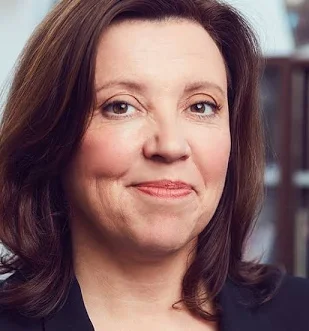
The children’s commissioner in England, Dame Rachel de Souza ([pictured), has called for a shake-up of safeguarding referrals, amid claims that vulnerable children – including those with special needs – are more likely to experience abuse in school.
De Souza’s calls came after her recent school census [cross refer to earlier story] explored how schools make referrals to their local authority designated officer (LADO). She said cases had highlighted that “individuals who lack professional curiosity, training or basic care cause acute damage to some of our most vulnerable children”.
In a blog, she warned that some schools and children’s homes demonstrated a lack of protection for vulnerable children, particularly around the misuse of restraint and seclusion.
LADO role ‘crucial’
In her blog, De Souza said the role of the LADO was “crucial” to ensuring safeguarding concerns were escalated, where appropriate, and children’s best interests properly met.
The children’s commissioner said that the census findings show there was variation in the number of LADO referrals made by different types of schools.
In her blog, she wrote: “For example, special schools, schools with lower Ofsted ratings and schools in more deprived areas made slightly more referrals than others, on average. This supports the observation that children with existing vulnerabilities may be more likely to experience abuse in school.
“However, even if referrals are made to the LADO for these vulnerable children often little action is taken.”
Every local authority in England has an LADO, whose role is to oversee how allegations against adults who work with children – including school staff – are managed and that appropriate action is taken.
If an allegation is found to be true and the adult is removed from their role, the employer has a legal duty to refer the case to the DBS (Disclosure and Barring Service), which decides whether that person should be barred from working with children in the future.
Stronger accountability
In her blog, Dame Rachel said: “This link between the LADO and the DBS is essential. It ensures that people who pose a risk to children cannot move from one job to another without scrutiny.
“However, with no national standard for how referrals to the DBS are handled in practice, the process can vary depending on local authority procedures and policies, leaving safeguarding responses open to confusion, employers unaware of crucial information and children exposed to risk.”
She called for a raft of reforms, including making the LADO independent from the local authority to ensure “there is strong accountability for children”.