Inclusion bases set up in secondary schools as part of the government’s SEND reforms are at risk of becoming exclusion rooms, according to a leading special school leader.
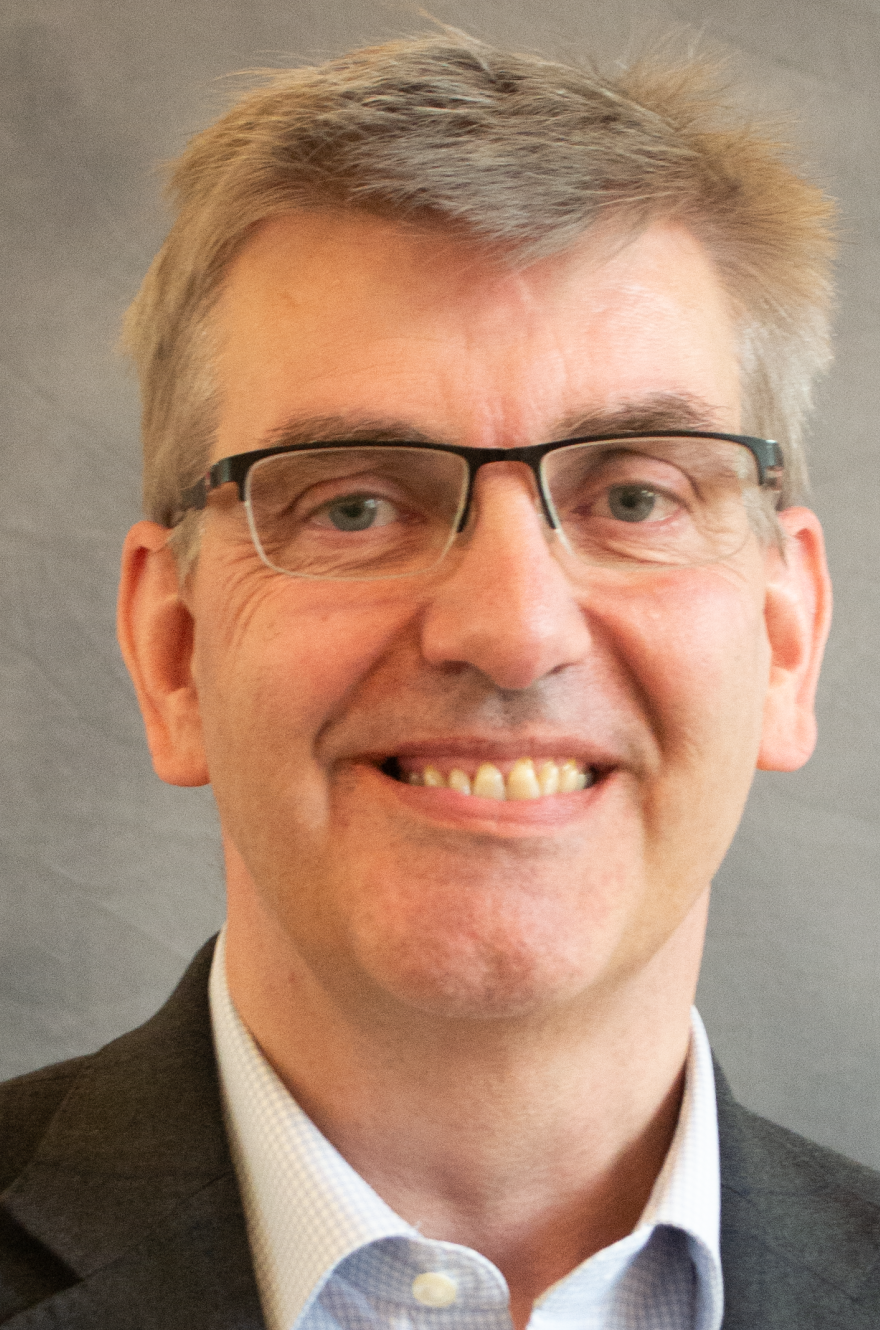
Thomas Keaney (pictured), founder of The Complete Education Solution (TCES), a provider of special schools, said the success of the policy depended on how well inclusion itself is understood across the education landscape.
And if it is not understood, he fears they will become “exclusion spaces by another name”.
Writing in TES, Keaney said the government’s ambitions for the future of SEND, set out in the Schools White Paper last month, were “understandable” as schools were increasingly expected to cater for pupils with more complex needs.
He wrote: “The language used to describe these bases is revealing. A ‘safe space away from busy classrooms’ prompts an uncomfortable question: safe from what, and from whom?
“If inclusion is defined primarily through the removal of children from mainstream environments, we must be honest about the group dynamics that follow.
“Social (group) identity theory says that children derive a sense of self from the groups to which they belong. Schools are powerful identity-forming environments.
Who will look out for the children who end up segregated in the worst versions of these spaces?
“Pupils naturally organise themselves into in-groups and out-groups. When we physically separate children and give those spaces distinct labels, we risk reinforcing those boundaries rather than dissolving them.”
Keaney said that while many SEND units were well led and purposeful, “others quietly become places where pupils spend large portions of the day removed from mainstream learning, with limited opportunities for reintegration.
“Containment without belonging. Proximity without participation.”
Pressure to fill spaces
Any investment made by schools to create and staff an inclusion base brought with it a “pressure to fill it”.
“Pupils may begin to be moved there more quickly, more routinely and for longer periods of time,” he said.
“When the next national exclusion statistics are published, will we congratulate ourselves as the numbers fall? Will suspension rates decline and be presented as evidence that the system is becoming more inclusive?
“Or will we quietly overlook the possibility that some pupils are simply no longer being formally excluded. They are just spending their school days in permanent isolation somewhere around the back of the building.
“Who will look out for the children who end up segregated in the worst versions of these spaces?”
Harnessing the expertise of special schools
To avoid this, schools needed “leadership, workforce development and a shared understanding of inclusion as a whole-school responsibility”.
“This means staff who understand behaviour through a relational and therapeutic lens, teachers who are equipped to adapt learning before crisis points emerge, and identity and belonging being actively protected within classrooms,” Keaney said.
“In those environments, specialist spaces support inclusion. They do not replace it.”
Keaney, who is a trustee of the National Association of Special Schools, added that the expertise of special schools should be harnessed for their expertise in complex needs, therapeutic environments and relational practice.
“If every mainstream school is expected to establish specialist provision, structured partnerships with special schools should form part of the design.
“Without that connection, we risk asking mainstream leaders to build complex provision without access to those who have spent decades refining it.”
Accountability through inspection
Keaney added that he wanted schools to have to answer questions from inspectors about “pupil experience, reintegration and sustained participation in mainstream school life to ensure that inclusion bases are not just being used as a subtle form of exclusion”.
He concludes: “None of this is an argument against inclusion bases. It is an argument against assuming that space automatically creates inclusion.
“The real test of the White Paper will not be how many bases are built. It will be whether the children who use them remain unquestionably part of the school community.
”The danger is not that inclusion bases exist. The danger is that, in the wrong hands, they become the most efficient exclusion rooms the system has ever built.”








