More clarity is needed over the government’s definition of “complex needs” amid concerns by parents that their children will be denied the support they need, according SEND campaigner and author Lisa Lloyd.
Speaking at an event in London today (March 24), Lloyd, the Sunday Times best-selling author of Raising the SENbetweeners. said parents had been contacting her with their concerns about the Schools White Paper and SEND reforms, which would see EHCPs replaced with individual plans for all but the children with the most complex needs.
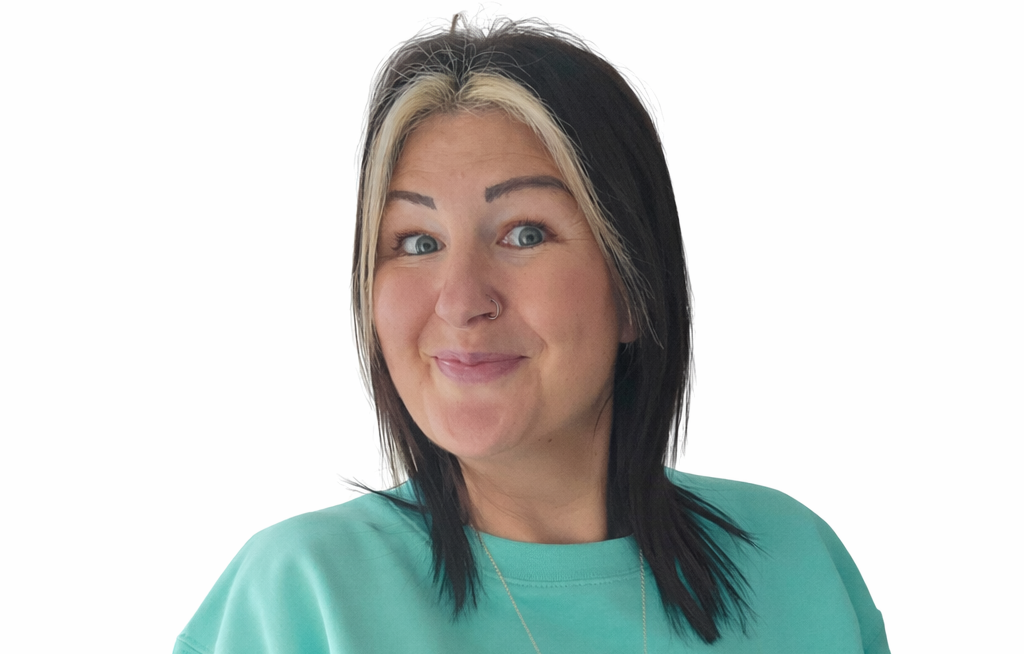
Lloyd (pictured) said that Ministers had so far failed to outline what this meant, and what children would have to prove in order to keep, or be eligible for, an EHCP.
Speaking on an expert panel about the future of SEND education, organised by the Sutton Trust, Lloyd, a founder of the campaign group, SEND Reform England, said: “I don’t want to be all doom and gloom about the White Paper, but I and a lot of other families I speak to online have a lot of reservations.
“And one of them is that we just don’t know everything about it at the moment. What will complex needs to be classed as? This is a huge worry for parents.”
It is worrying that the government will be removing the debts of local authorities in return for more mainstream provision, rather than special schools
Lloyd, who has almost 150,000 followers on her Instagram account asd_with_a_g_and_t, has two children with autism, who both present with the condition differently.
Her son spoke from a very early age and is a high academic achiever but would find it overwhelming in a mainstream school, she said.
“We had a battle to get an EHCP, with his assessment taking 4 years, but when he went to the specialist resource provision he was able to cope and made progress. So that’s proof in itself that is that these provisions make a difference.
“My son is academic, verbal, and on paper looks like he could be fine in mainstream, but he can’t deal with large classes, different teachers and the whole social aspect of that.
“So, we need some confirmation of what is meant by complex needs.”
Lloyd, whose second book, Unmasking Mum, outlines her own diagnosis of autism and will be published in the summer, added that the loss of tribunals and the arrival of individual support plans were also worrying families.
“We must not forget that that a lot of children still need special schools because they can’t cope otherwise, and it is worrying that the government will be removing the debts of local authorities in return for pushing for more mainstream provision, rather than special schools.
“There is a fear that this will force some children into the mainstream who shouldn’t be there. There are a lot of questions around the White Paper that still need answering.”
Restoring trust betweeen schools and parents
Asked how she would restore trust between schools and parents, Lloyd said that both sides had a tendency to blame the other for problems.
“There is a real battle going on over things like attendance and term-time holidays which take no account of the fact many SEND children have emotional-based school avoidance (EBSA),” she added.
“We could start by making reasonable adjustments, such as being flexible over uniform, or what time the child comes into school to avoid the rush.
“There are the little things that make families feel heard and I think this is the main thing – parents want to feel listened to, but they aren’t.”








