SEND is the main concern of schools as schools struggle to made ends meet because of a lack of adequate funding.
The National Education Union (NEU), whose annual conference is taking place this week, said SEND topped “a sorry list of essentials” that were being starved of money, following decades of cuts.
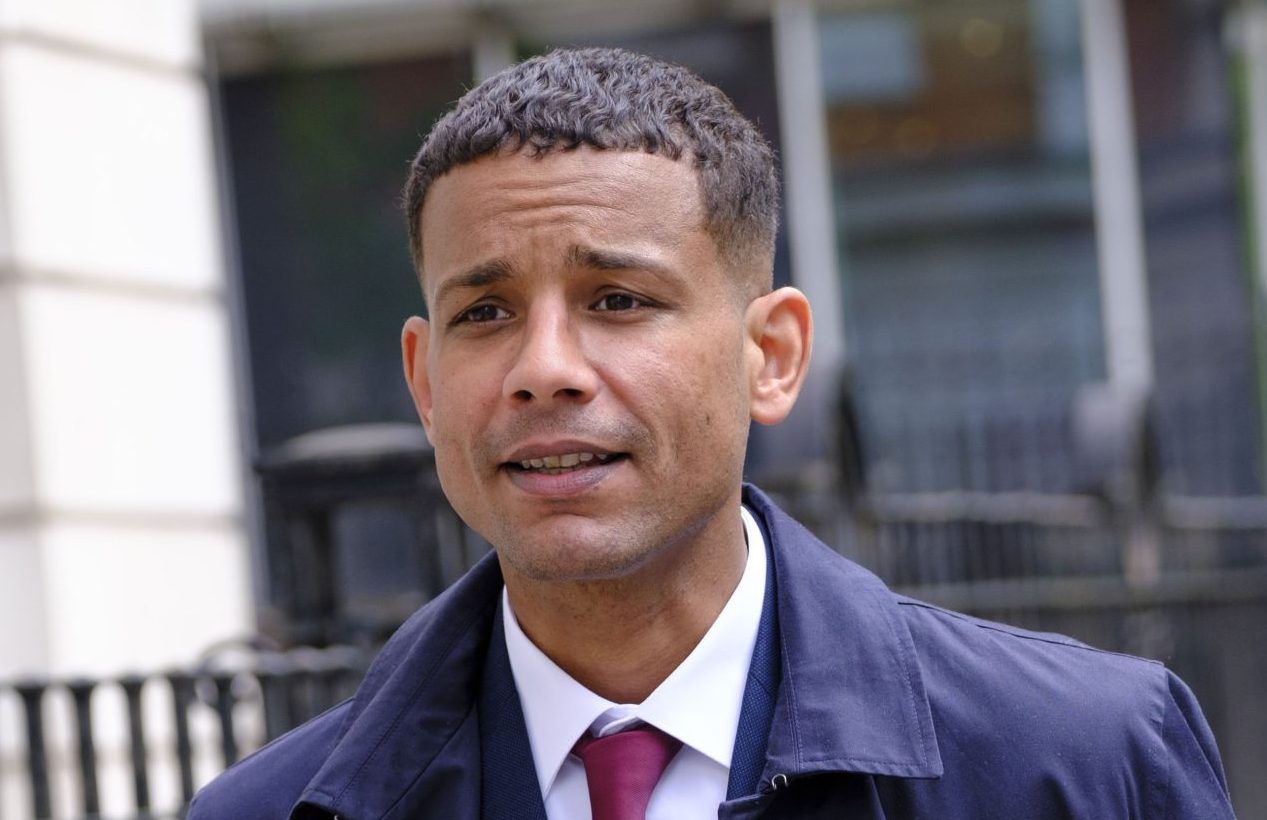
Its general secretary, Daniel Kebede (pictured), said schools were “running on empty”.
According to a poll of more than 11,000 members, more than two-thirds – 68% – said that their school, college or nursery had “definitely not enough” support for SEND.
A further quarter said they had “not quite enough” funding.
We had to sell our minibus so now we can’t take our students with physical disabilities out on trips
One respondent told researchers: “”In our mainstream secondary school we have 26% SEND.
“We cannot provide support for all SEND at all times so children have to go without which is unfair and means they don’t necessarily achieve the outcomes we would want for them.”
Another said: “Mostly, a lack of funding impacts our most vulnerable children. No adult support, no physical resources, no enrichment or immersive learning opportunities.
“This ultimately affects me as a teacher when I am scrutinised for the data and outcomes of these children that need more and get less.”
Staffing
Less than one in five – 18% – of NEU members were happy with staffing levels in their school, and 53% said that staffing was “definitely not enough” to meet basic provision.
The situation was worst in primary schools where 63% shared this concern.
The union said: “The overriding worry for government, however, should be that just 2% of teachers in secondary schools say that staffing levels are ‘definitely enough’, dropping to 1% in all other phases.”
Fundraising and donations
More than half of secondary schools and pupil referral units, and 80% of primary schools, said a major source of their income came from donations and fundraising, and paid for school trips, building maintenance and day-to-day running costs.
One respondent said: “We had to sell our minibus because we couldn’t even afford the maintenance costs, so now we can’t take our students with physical disabilities out on trips.”
Schools in more well-off communities were able to donate, and raise, more money, creating huge inequalities in levels of provision and enrichment.
Building maintenance costs
A third of teachers – 33% – describe overheating in the summer as a ‘severe’ problem and is a factor for a further 51%. Poor ventilation was an issue for 54%, and 66% cited leaking roofs.
Levels of mould and damp appear to have improved, however, from 46% two years ago to 38% today, although “this is still alarmingly high given the impact mould can have on children’s health”, the findings showed.
Daniel Kebede, general secretary of the National Education Union, said: “Schools are running on empty.
“When even basic provision cannot be met without having to shake a collection tin, then it is obvious this government and successive governments have failed parents, teachers, leaders and above all, young people.
“The NEU is consulting school staff in an indicative ballot on pay and school funding. The government have told schools to make efficiency savings to cover staff pay rises, but after 15 years of austerity there is nothing more to cut.”








