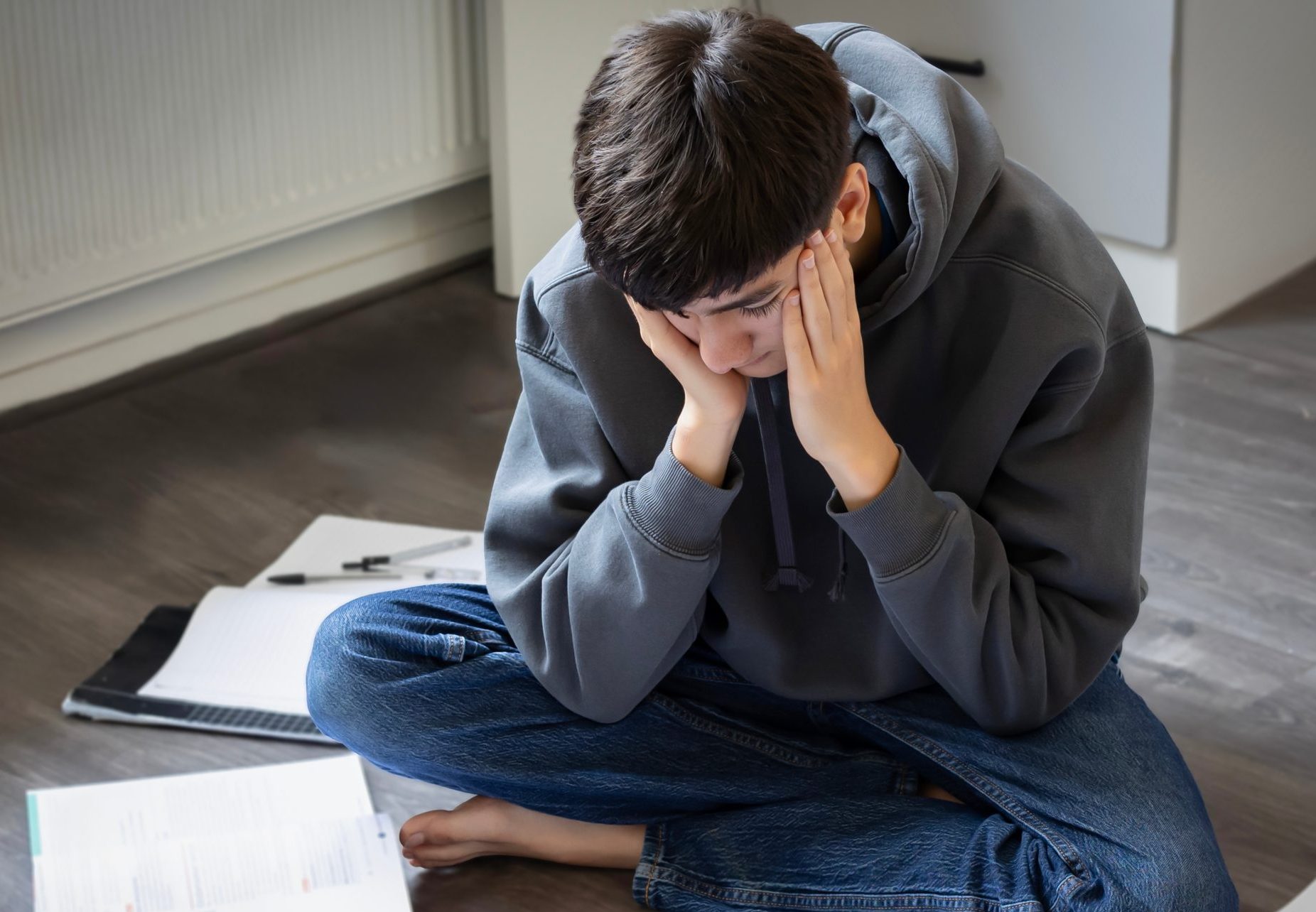
The number of young people in England with no close friends has increased five-fold since 2014, according to a new report.
The study, from the IPPR, found that Gen Z is more isolated, more distressed and less productive than previous generations
The influential think-tank called for a settlement for young people, to restore hope and opportunity
The new research reveals a generation becoming more vulnerable, with worsening mental health increasingly hitting young people’s ability to be productive.
Young people in England are becoming dramatically more isolated from one another, with one in 20 now reporting that they have no close friends at all, up from one in 100 in 2014.
The proportion of 16–21-year-olds with at least three close friends has also fallen substantially, as has the quality of friendships, with less 14- and 15-year-olds saying they are happy with their friends than a decade ago.
If we want a more productive, cohesive and hopeful country, we have to rebuild the foundations of a good adolescence
Teenagers are also reporting strikingly low levels of confidence in their appearance.
Only around one in three young women are pleased with how they look. A decade ago, more than half of boys were satisfied with their appearance; today that has fallen to 38 per cent.
The authors of the report say that the foundations of a good adolescence are being eroded, leaving young people increasingly disconnected from themselves, from each other and from wider society.
Nearly half of young women aged 16–24, 47%, and more than a third of young men 36%, now meet the threshold for psychological distress.
Effects on productivity
This is having a profound effect on productivity. In 2010–12, just 4.1 per cent of 16–24-year-olds said their mental health had meant they accomplished less than they otherwise would have over the previous month.
Today that figure is 16.8 per cent – more than four times as high.
IPPR said these trends cannot be understood by treating young people as simply less resilient than previous generations.
Today’s generation has grown up amid a combination of austerity, Covid-19, rapidly growing social media use, economic insecurity and increasingly difficult transitions into adult life, such as expensive rents and unaffordable house prices.
It warned that these pressures are combining to produce a generation increasingly disconnected on three fronts: from themselves, from each other and from wider society.
The consequences extend far beyond “youth policy”, the report said.
“A society in which young people have fewer meaningful relationships, less confidence in themselves and less faith in their future risks becoming less productive, less cohesive and less able to sustain the belief that collective action can make life better,” the study found.
IPPR has recently launched its State of a Generation programme to work with young people, experts and businesses to develop a new settlement for young people.
The final report will be published in 2027, setting out solutions to rebuild the connections, institutions and opportunities young people need to thrive.
Avnee Morjaria, associate director at IPPR, said: “Kids aren’t snowflakes. This is a rational response to a bleak world we have left for them.
“A generation has grown up through austerity, a pandemic and a digital revolution, while the costs of getting a home and starting an adult life have soared.
“We have stripped away too many of the places, services and routes into adulthood that help young people build confidence, connection and hope.
“The consequences are now showing up not just in young people’s happiness, but in their ability to learn, work and get things done.
“If we want a more productive, cohesive and hopeful country, we have to rebuild the foundations of a good adolescence.”








