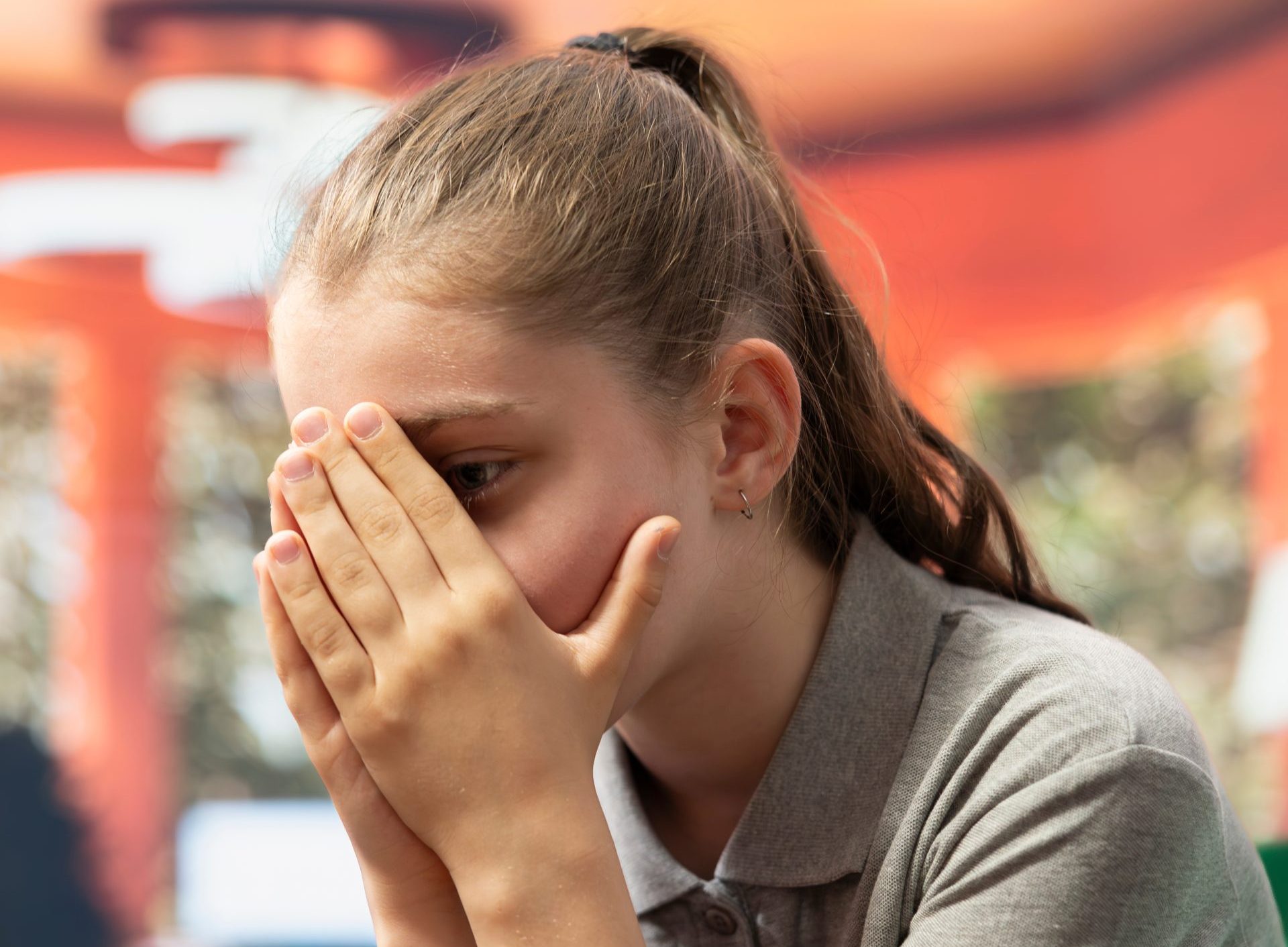
More than a quarter of young people doing their GCSEs have made use of mental health support in the previous year, according to government data.
A survey found that more than a quarter of key stage 4 students, 23% of key stage 3 learners and 22% of 16–19-year-olds had turned to mental health and wellbeing support in their school in the 12 months since May 2025.
Figures released by the Department for Education, showed that the figures for key stage 4 had risen by five percentage points since 2025, while the other age groups remained broadly the same.
Among parents, 17% of those with in primary school, 18% of secondary and 27% of special school parents said their children had made us of mental health services in their school, which was in line with 2025.
Awareness of support
The report, Parent, pupil and learner voice: May 2026, is based on a survey of more than 2,300 primary, secondary and special school parents, and more than 3,200 students attending secondary and post-16 settings.
It asked how aware parents and students were of mental health and wellbeing support being available in their school or colleges.
Overall, 41% of primary parents, 48% of secondary parents and 49% of special school parents said they were aware of any mental health and wellbeing support that was available through their child’s school.
This proportion was lower than in May 2025 when the question was previously asked. In May 2025, 57% of primary parents, 67% of secondary parents and 61% of special school parents were aware of mental health and wellbeing support through their child’s school or college.
Awareness was higher among pupils and learning, with 84% of key stage 4 and 77% of key stage 3 students, and 86% of 16-19-year-olds knowing what support their school was able to offer.
Managing medical conditions
The study also looked at the management of medication conditions.
Of those who were willing to answer questions on this subject, 25% of parents said their child had a long-term condition with a clinical diagnosis, 9% said their child had a long-term condition without a clinical diagnosis and 65% said their child did not have any such condition.
Among special school parents, 81% said their child had a long-term health condition with a clinical diagnosis, 6% said their child had a long-term condition without a clinical diagnosis and 11% said their child did not have any such condition.
A quarter of primary parents, 11% of secondary parents and 8% of special school parents said that their child had an allergy that required management by the school.
Among those parents whose child had a long-term health condition, 20% of primary parents, 21% of secondary parents and 43% of special school parents said that their child had an Individual Healthcare Plan (IHP).
The report does not offer any analysis or explanation of its findings.