How long have you worked with children who have SEND?
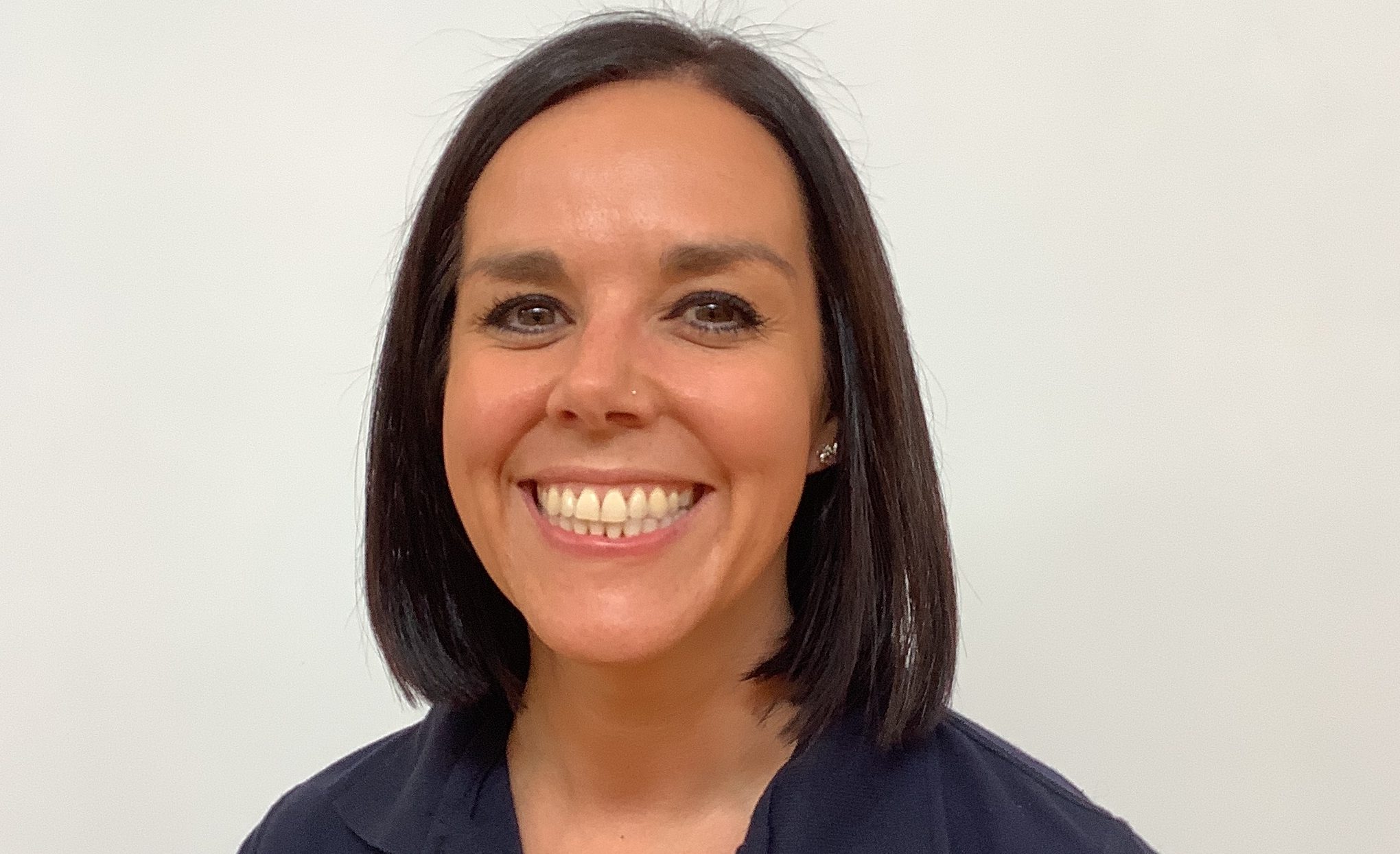
For more than 20 years. I have spent the last decade as head teacher and now executive head teacher at Brackenfield SEND School.
During that time, I’ve had the privilege of seeing the specialist sector evolve significantly, while remaining steadfast in its mission to ensure every child, regardless of need, can thrive and achieve their potential.
How did you come to have your current role and what does it involve?
My journey to executive headship began as a senior leader within Brackenfield. At the time, the school had experienced significant instability, with six headteachers in six years, and the rather unfortunate distinction of being one of the few undersubscribed SEND school in the country!
I returned from maternity leave as acting headteacher and was later appointed substantively to the role.
What followed has been an extraordinary team effort. Over the past ten years, we have grown from 62 pupils and 30 staff to more than 310 pupils and over 250 staff.
We have expanded our designation to include nursery and post-16 provision and recently opened a second site, The Orchard, which led to my move into executive headship.
It’s probably easier to list what my job doesn’t involve! At its heart, however, my job is simple: through supporting our staff and families, ensuring that every pupil is prepared for adulthood.
That means helping them become as independent and functional as possible, ensuring they have choice and voice in their lives, and, most importantly, equipping them with the confidence and skills to experience joy, purpose and belonging in the world.
What strategies or initiatives have you introduced in your school?
One of the greatest privileges of leading within the specialist sector is the opportunity to innovate in response to children’s needs rather than forcing children to fit predetermined systems.
At Brackenfield, everything starts with forensic assessment. We are committed to understanding exactly where a child is wholistically in their learning and development journey, and equally importantly, what their next steps need to be.
That understanding informs every aspect of our provision, from the physical environment, sensory and communication considerations to curriculum design and delivery.
Our philosophy is straightforward: our children learn differently, so we teach differently. The only certainty for almost all our pupils is that they will become adults.
Therefore, our responsibility is to create learning experiences that meet them where they are today while preparing them for the lives they will lead tomorrow.
This approach has enabled us to develop highly personalised pathways that focus not only on academic achievement but also communication, independence, emotional/physical wellbeing, employability and community participation—skills that truly matter beyond the school gates.
What in your role has made you feel particularly proud of your own work, or that of your team?
What makes me proudest is that we never settle for ‘the way it’s always been done’.
As a school, we are relentlessly curious. We question, research, collaborate and constantly look beyond our own walls for better ways of supporting children and young people with SEND. We work with partners locally, nationally and internationally, always with the aim of improving outcomes for learners.
This mindset has enabled us to develop a curriculum and learning environment, genuinely tailored to the needs of our pupils, alongside robust assessment systems that help us understand progress in meaningful ways.
More recently, we have collaborated as a development partner with Limejar to pioneer innovative digital solutions, including an app-based system called BOOP. This technology supports assessment, target setting and progress recording while integrating seamlessly with wider school systems, reducing workload and allowing staff to focus on what matters most: teaching and supporting children.
Above all, I am proud that we maintain high, but also relevant and realistic aspirations for SEND learners – both within our school and beyond.
Every day, I see colleagues challenge assumptions, raise expectations and transform lives.
How do you relax when you’re not working?
Outside work I have another full-time job—being Mum to my two wonderful daughters.
As a family, we love spending time together with my husband and Teddy, Brackenfield’s much-loved school dog. We regularly escape in our touring caravan and enjoy exploring the great outdoors whenever we can.
I am also an enthusiastic television watcher and frequently claim that I have ‘completed Netflix’. While independent verification remains outstanding, I am reasonably confident I’m getting close!
If you hadn’t gone into teaching, what might you have done instead?
Twenty years ago, I would have said interior design without hesitation—my degree is in Design and Technology, and I’ve always enjoyed creating spaces and environments.
My staff and long-suffering business operations manager know that I am never happier than when we are building, reinventing or renovating something for the children.
If I were changing careers today, however, I would probably choose medicine. I think I would have loved being a midwife and supporting families through one of life’s most important moments.
If you had 10 minutes with the Education Secretary, what issues would you raise with her?
I would focus on two key issues.
Firstly, curriculum reform. We need a curriculum that is genuinely designed for all children, not simply one that works well for some. Equality does not mean everyone receives the same experience; it means everyone receives what they need to succeed.
A modern curriculum should be ambitious, relevant and flexible enough to prepare all young people for life in a rapidly changing world.
Secondly, we need a more intelligent and contextual approach to accountability. We rightly recognise that children are individuals and should not all be measured in exactly the same way. The same principle should apply to schools. Context matters.
Too often, our current system risks judging children and schools by measures that fail to reflect their starting points, challenges or strengths.
As the saying goes, ‘if we judge a fish by its ability to climb a tree, it will spend its whole life believing it is a failure’.