According to Speech and Language UK, one in five children face challenges with talking and understanding words.
The research estimates that there are around two million children in the UK with speech, language or communication needs and its recent report, Listening to unheard children found that children who struggle with speech and language are six times more likely to be behind in English at the age of 11.
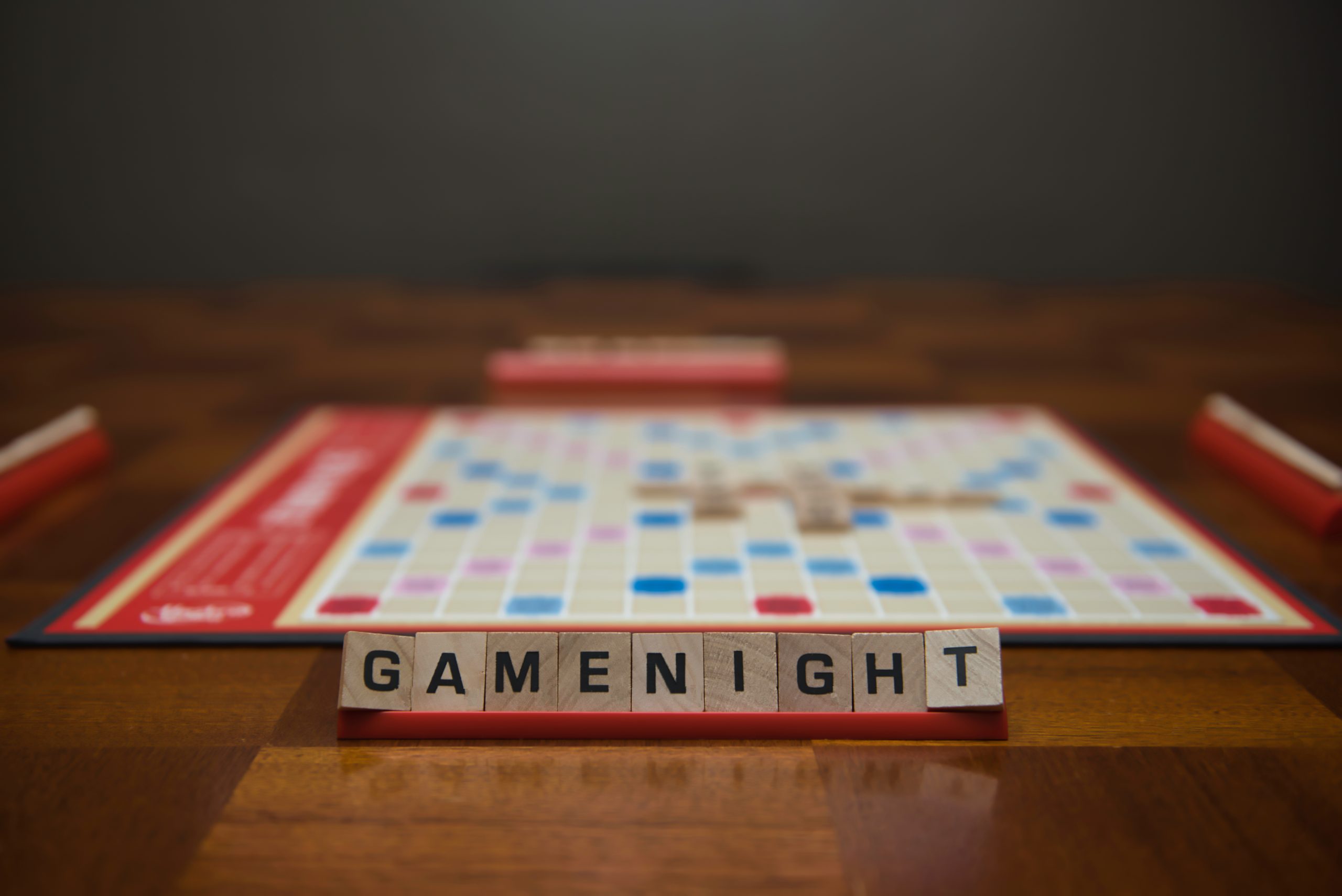
But with help and guidance, parents can gain the confidence and skills to support their children at home – and one easy way to help develop stronger language skills is by playing board games. This can be a fun and rewarding activity for the whole family and helps your children learn without them even realising it.
What can board games teach your child?
- Listening and paying attention. Encourage the child to listen to instructions and what others have to say during the game or activity.
- Working together. Games that involve drawing or quizzes are conducive to being in pairs or teams to come up with the right answers.
- Sharing and taking turns.
- Exposure to new vocabulary. Word games are great for learning new words. Keep a dictionary handy to quickly look up what they mean.
- Managing social interactions. Family games can teach about being gracious in defeat and magnanimous in victory in the safety and security of a non-judgemental setting.
- Sustaining attention and focus to a task.
- Staying resilient when games become challenging. It’s important to keep going even when the odds are all stacked up against you.
- Following rules.
- Asking and answering questions. Encourage your child to ask if they’re not sure what they’re supposed to be doing.
- Expressing thoughts and ideas so that others can understand.
- Using and understanding facial expressions. Observing other players’ faces can help you anticipate your next move in a game.
Board games are a fun and rewarding activity for the whole family and can help your children learn without even realising it
Here are a few games to try (variations of these, and similar games are available):
- Scrabble
This is a great board game to show children how sounds are used to make words. It introduces children to unfamiliar vocabulary and gives parents the opportunity to talk about the meanings of words within a context. The game could include high frequency words (words that appear regularly in reading books). Children can be more involved in this game by checking spellings in a dictionary and counting scores. A prize could be given to the player who makes the longest word.
- Bananagrams
There are many variations to this game according to the age of the child. Children can work independently to use their tiles to create words or could work collaboratively within a team. This teaches children the importance of vowel sounds and how words can fit together in a type of crossword puzzle. A timer can be used if appropriate and children can start to understand the measure of time.
- Boggle
Shake the letters and then spot the words. Write down as many words as possible before the timer runs out. This is a useful game for spotting common letter strings within words which helps to support both reading and spelling skills. It encourages children to work quickly and accurately as they need to be confident at scanning the grid for suitable words.
- Articulate for kids!
The players are asked to describe a word without saying it. This is a fast-paced game which supports expressive language skills. It encourages children to talk in sentences and to make themselves understood. This game includes useful words that are relevant to the school curriculum.
- Speedy words
Players are asked to think of a word beginning with a specific letter and within a given category. This encourages players to process language quickly and efficiently. It supports word retrieval skills.
Apart from the benefits in speech and language development, board games can also support cognitive skills such as critical thinking and memory; personal development, for example, in learning to manage emotions; and fine motor skills when handling dice, counters or spinners.
Importantly. it’s a lovely, fun way for families to spend time together.
*For further advice and support see the ‘Ages and Stages Section’ and the ‘Progress Checker’ at www.speechandlanguage.org.uk.