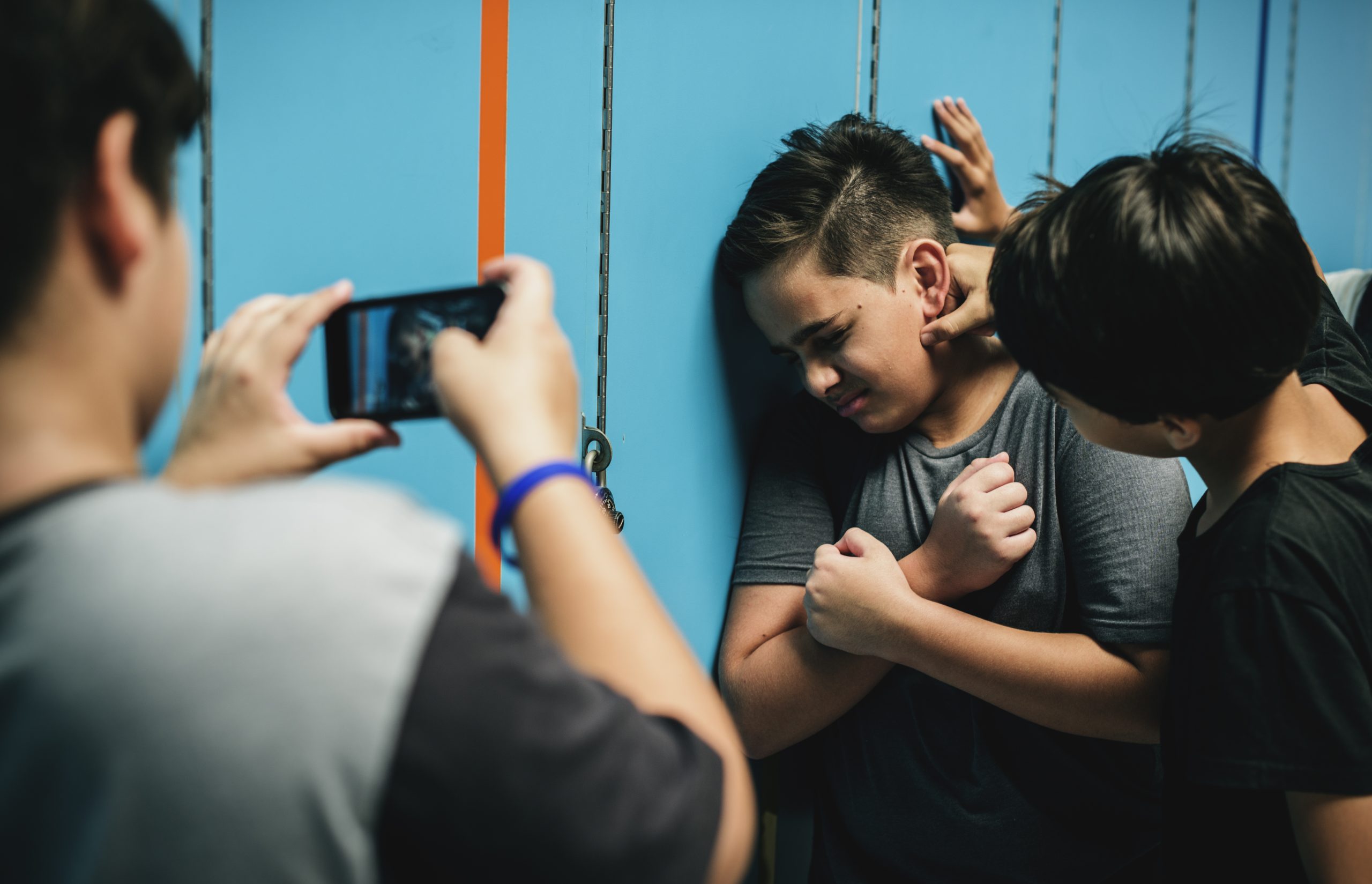
One in four teenagers has turned to AI chatbots for mental health support, new research has revealed.
The study, from the Youth Endowment Fund (YEF), which surveyed nearly 11,000 children aged 13 to 17 in England and Wales, found that more than half – 54% – of young people had used some form of online mental health support in the past year.
However, the study found, children who were affected by serious violence – as a victim or perpetrator – were far more likely to seek help in this way, with nine out of ten using online support, almost twice the rate of those who had not experienced any violence.
The same pattern appeared with AI chatbots with 38% of victims and 44% of perpetrators admitting they had used one for mental health support, compared with 23% of their peers who had not.
The report questioned how reliable and safe it is for AI to address mental health problems, and how teenagers were using it alongside other forms of support.
A generation under strain
More than one in four – 26% – of all 13–17-year-olds reported symptoms associated with high or very high levels of mental health difficulties, the equivalent of one million children across England and Wales.
A quarter of teenagers surveyed had a formal diagnosis of a mental health or neurodevelopmental condition, while a further 21% believed they may have a condition but had not been formally diagnosed.
Our children, especially those most at risk…need a human not a bot
The report said this suggested many young people were struggling without recognition or consistent support.
For some young people this had a severe impact, with 14% admitting they had self-harmed in the past year, and 12% had considered ending their own life.
Jon Yates, CEO at the Youth Endowment Fund, said: “Too many young people are struggling with their mental health and can’t get the support they need.
“It’s no surprise that some are turning to technology for help. We have to do better for our children, especially those most at risk. They need a human not a bot.
The psychological toll of violence
Those most exposed to violence experience had some of the poorest mental health outcomes. More than half of teenage children involved in serious violence, as victims or perpetrators, said they had self-harmed or thought about ending their life in the past year — around five times the rate among teenage children with no experience of violence (12%).
Victims and perpetrators were also far more likely to have a diagnosed mental health or neurodevelopmental condition. Seventy-three per cent of victims and 81% of perpetrators of serious violence had at least one diagnosis — around four times the rate among teenage children who hadn’t experienced violence (19%).
More than half of teenage victims of serious violence also reported high or very high levels of mental health difficulties.
Not enough help
Most children with a mental health or neurodevelopmental condition were not getting the help they needed, with just 18% of teenager with a suspected mental health or neurodevelopmental condition, and 37% of those with a diagnosis, were receiving treatment or support.