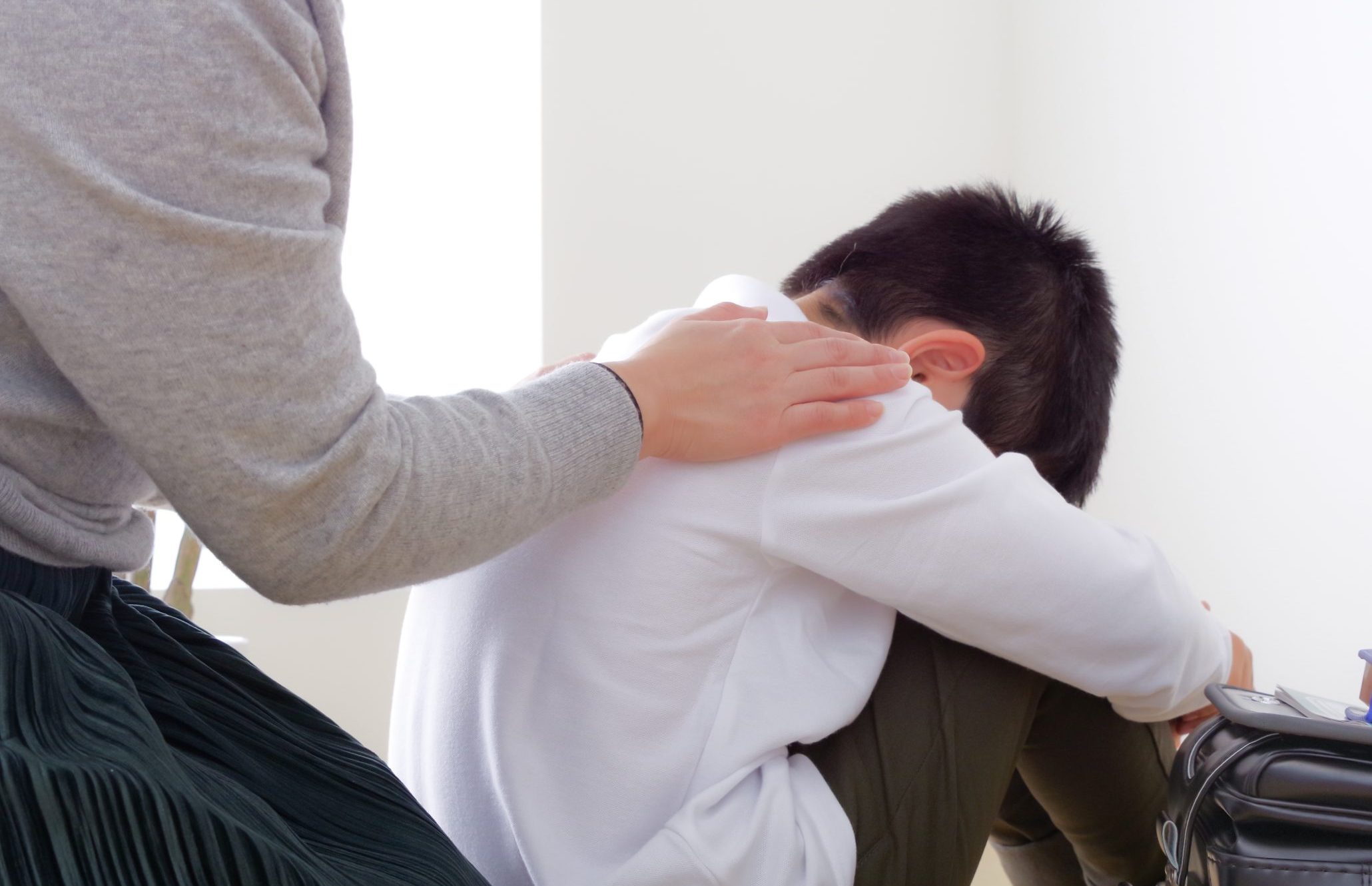
More than one in five British mothers, whose children are currently in school, or were in school within the past five years, report that their child’s difficulties attending school have had a severe negative impact on their own mental health.
The new report comes as more than 1.34 million pupils in England were persistently absent from school in 2024/25. Severe absence, which disproportionately affects children with special educational needs and disabilities, has more than tripled since 2018/19.
While the research suggests British mothers are bearing much of the emotional burden, fathers are also paying a significant price. More than a third report reducing their working hours to support their child at home, while nearly one in three have had to quit their jobs altogether.
The new data estimates that around a quarter of a million mothers say their mental health has severely deteriorated because of their child’s school refusal, with a quarter of respondents experiencing anxiety or panic attacks as a result.
The study, commissioned by Minerva Virtual Academy (MVA), the UK’s fastest growing independent online school for 11-18-year-olds, surveyed 2,000 parents of children who were in school at most five years ago, experiencing emotionally based school avoidance or persistent absence linked to anxiety.
Admitting that mainstream school isn’t working still feels like a confession of failure
Respondents also reported autism (22%), ADHD (11%), bullying (24%) or unmet additional needs (27%) as additional contributing factors.
Family strain
Nearly 30% of those parents who took part in the study said weekday mornings had become the most distressing part of family life, and 31% said family activities were regularly disrupted.
Almost a quarter reported physical symptoms of stress, including nausea and migraines and one in five stated they felt isolated as they try to navigate supporting their child through school refusal related issues.
Just over one in five parents said they had cried after unsuccessful attempts to get their child into school, while 23% said they felt they were failing as a parent.
Financial impact
More than four out of ten families estimated their household had lost up to £10,000 because of their child’s attendance problems.
Parents also reported feeling unsupported by schools and local authorities.
Almost a quarter said their concerns about their child’s needs were not taken seriously by their child’s school and wider support services, while 22% said they felt there was nowhere to turn for practical advice.
Nearly 90% of families said they were not given clear guidance on alternative education options to help them manage the day-to-day battles at home.
About 15% of those surveyed said they are currently waiting for a formal diagnosis for their child for autism, ADHD, or unmet additional needs, and 14% have said their child has waited more than two years for a diagnosis or assessment.
Lasting damage
A third of parents said they worried daily about lasting damage to their child’s mental health, while 29% said they had feared their child might be at risk of suicide.
Hugh Viney, founder and CEO of Minerva Virtual Academy, said: “For too long there’s been a taboo around how parents really feel about their child’s education.
“Admitting that mainstream school isn’t working – that your child might be better off somewhere else – still feels like a confession of failure. It isn’t. The bravest, most loving thing a parent can do is be honest about what their child actually needs.
“This research shows the cost of that silence and reveals a hidden mental health crisis that is affecting families up and down the country.
“Parents are managing severe anxiety in their children while holding down jobs and navigating a system that too often leaves them feeling blamed rather than helped. We need to break the taboo, improve signposting, and intervene earlier – before families reach breaking point.
“Perhaps, most telling is the silence – we’ve had countless conversations with parents who tell us they felt completely isolated, unable to share what they were going through with friends, family or colleagues.
“School refusal carries a stigma that can feel impossible to name out loud, and many parents described carrying it alone, convinced they were the only ones – and feeling like failures as a result”.
Minerva Virtual Academy said it had seen rising demand from families seeking alternatives to traditional school environments, particularly among children struggling with anxiety and unmet additional needs.
About 15% of students are funded by local authorities, or through their EHCPs.








