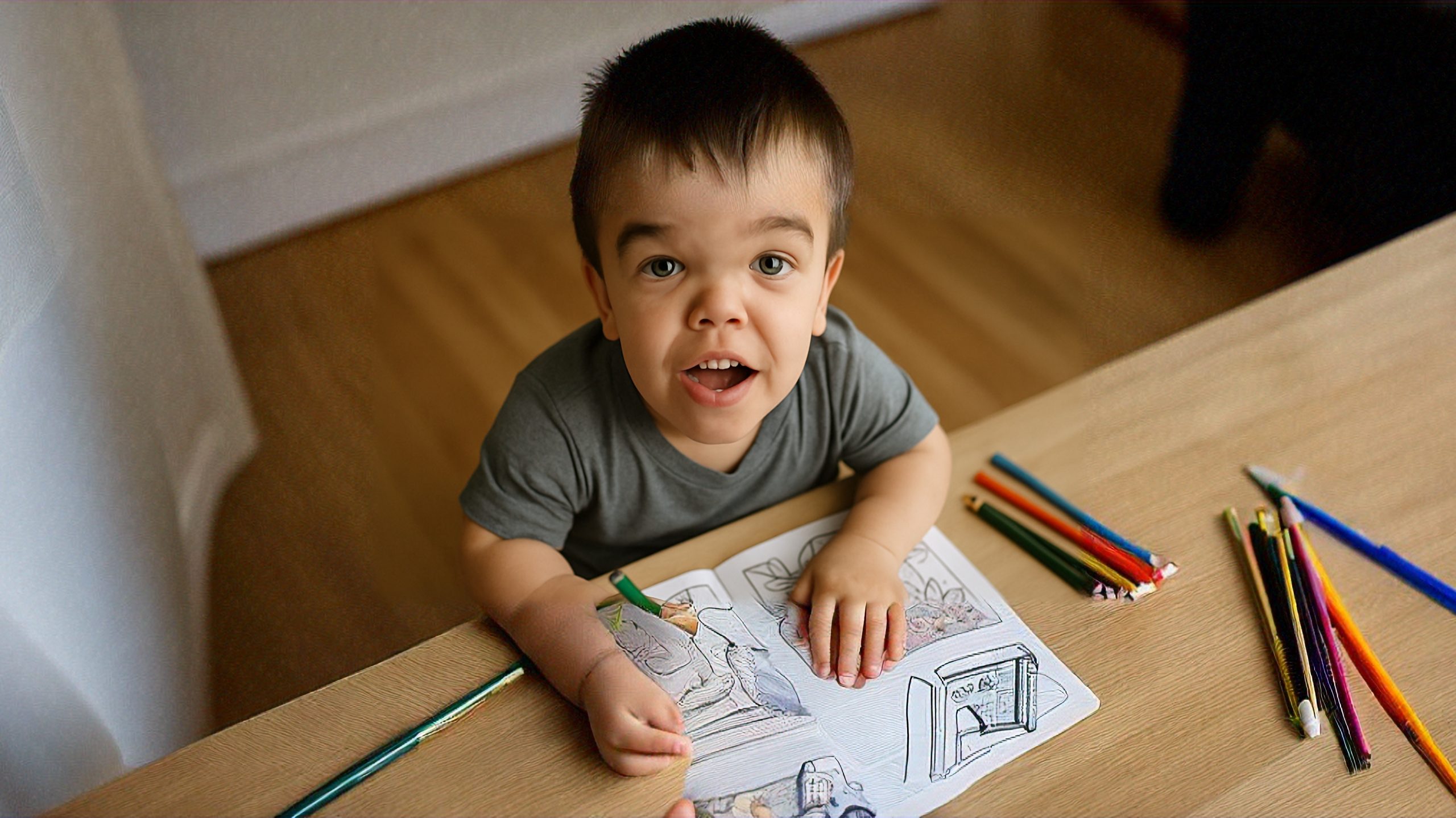
An estimated 7000 people live with some form of dwarfism in the UK. More than 80% of babies with a restricted growth condition are born to parents who are of average height.
The condition is caused by genetic mutations in genes responsible for bone growth, and by hormone deficient or poor diet can also be a contributing factor.
The most common restricted growth conditions are:
- Achondroplasia
- Diastrophic Dysplasia
- Hypochondroplasia
- Pseudoachondroplasia
- Spondylo-epiphyseal dysplasia (SED)
The key characteristics of Dwarfism:
- An adult with dwarfism is typically defined as being under 4’ 10”, or 147cm, in height.
- Medical issues such as spinal stenosis, hydrocephalus, arthritis and other complications often affect people with dwarfism, though this can be dependent on the specific type.
- They may be more prone ear infections, crowded teeth and sleep apnoea.
- Most people with dwarfism have average intelligence and normal cognitive abilities.
Supporting children with Dwarfism in the classroom
The focus of supporting a child with dwarfism in school should be understanding the condition and ensuring inclusion, and on adaptations that make learning and the school environment accessible. There is no reason to assume the child has learning difficulties.
- Educate the school community about dwarfism: Ensure that pupils and teachers understand what dwarfism is, to dispel any myths and misconceptions, so that the child feels included, comfortable and safe in school. The school’s anti-bullying strategies should be kept up-to-date.
- Classroom Accessibility: Adjust the height of tables, chairs, and sinks to be appropriate for the child’s needs.
- Toilets & Hygiene: Provide step boxes for the toilet and sinks, as well as lever taps or tap extensions. Lowering the soap and paper towel dispensers can improve independence with hand hygiene.
- General Access: Ensure door handles, coat hooks, lockers, and play equipment are accessible to the child.
- PE and sport: It might help to use smaller balls and shorter sticks or racquets and adjusting equipment, such as nets. The lesson should be challenging but safe, with achievable goals for the child.
- Personalised Support Plan: This can include information on how to support the children with personal care and hygiene, doing PE and games lessons and moving around the school.
- Risk assessment and emergencies: This can help to identify and mitigate any environmental hazards, such as steps or steep gradients. Create a specific evacuation plan in the event of fire drills and emergencies.
- One-to-one support: The child may benefit from the support of a teaching assistant or other one-to-one support for practical living tasks and navigating the school environment.
- Securing an EHCP plan: In discussion with parents, it might be useful for the child to have a plan to ensure their long-term physical needs.
*For further information go to Restricted Growth Association (RGA); Dwarf Sports Association UK (DSAuk); Little People UK.