Cerebral palsy (CP) affects movement, posture and coordination, and is caused by a brain injury either before or soon after birth, an infection in pregnancy, abnormal brain development or a genetic link.
CP jumbles up messages going from the brain to the muscles and there are different terms used to specify the type of CP, corresponding to the area of the brain most affected.
The condition is not progressive, so it will not get worse as the child gets older, and there is no cure. However, children with CP can be helped to be more independent with physiotherapy and other treatments.
Pupils with CP can also have associated conditions including epilepsy, and hearing and visual impairments.
Types of CP
There are 3 main types, and many people will have a combination of these.
- Spastic cerebral palsy is where the muscle tone is right and stiff, and so reduces the range of a person’s movement. It can be painful with muscles going into spasm
- Dyskinetic cerebral palsy can also be known as dystonic, athetoid or choreoathetoid cerebral palsy. Dyskinetic CP causes uncontrolled, involuntary, sustained or intermittent muscle contractions making it difficult to stay upright. The child may find it difficult to control the tongue, vocal cords and breathing, which can affect speech and language
- Ataxic cerebral palsy is defined as an inability to activate the correct pattern of muscles during movement, and this affects balance and spatial awareness. It can make it difficult to judge your body position in relation to things around you, and make walking unsteady. It can also affect speech and language
Supporting a child with CP in the classroom
A child with CP might experience the following difficulties in school:
- Vision, perception and sensory problems
- Speech, language and processing issues
- Epilepsy
- Memory and concentration
- Sequencing, time and organisation
- Fatigue
- Toileting
- Feeding
- Mobility and motor skills
- Self-esteem, social and emotional
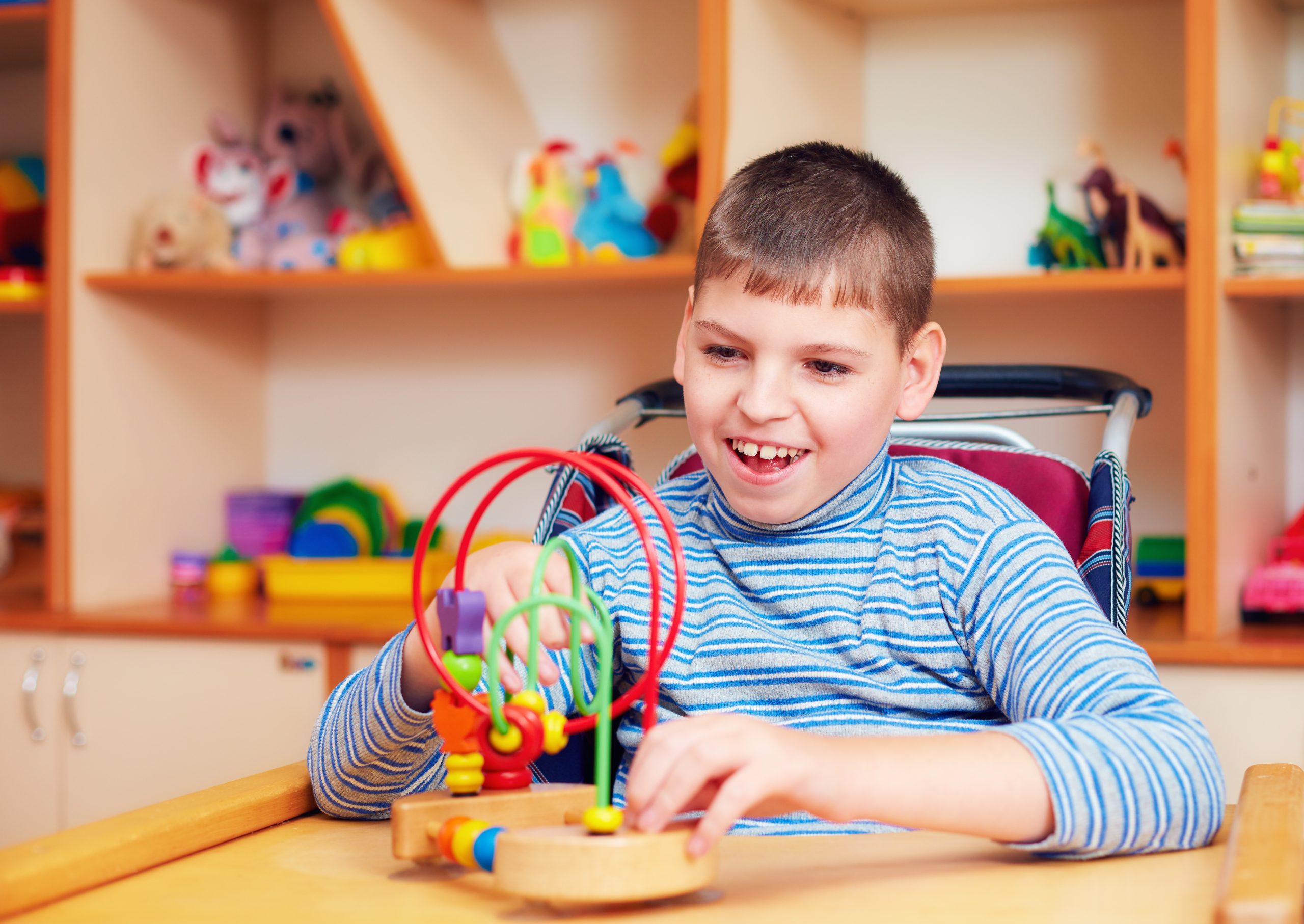
This means you will need to make classrooms accessible for mobility devices, as well as providing adapted tools for writing and communication and additional time for work to be completed
Other support should include:
- Appropriate seating: ensure the chair and table height are appropriate for the child, allowing feet to be flat and providing adequate space for an affected arm
- Visual aids: use visual instructions, cue cards, and symbol-based communication books to help children who may struggle with verbal communication
- Varied instruction: use a range of teaching methods, including direct instruction, small group work, and technology, to engage all learners and reach students with different needs. This can also help with fatigue
- Team approach: liaise closely with parents, physiotherapists, and occupational therapists to understand the child’s specific needs and how to implement effective strategies
- Inclusive Environment: create a calm classroom with a focus on inclusion, where differences are celebrated and the child feels accepted. This includes addressing bullying and explaining the child’s condition to their classmates
- Encourage Participation: use strategies to encourage the child to take part in activities and ask questions, ensuring they don’t feel left out. This includes PE and games, during which activities may need to be adapted for levels of challenge
- Promote independence: provide opportunities for the child to be as independent as possible
- Support for missed time: have a plan in place for the times the child is off school for health reasons so they can catch up with lessons and learning
*For more information go to: scope.org.uk