Ataxia is a catch-all term for a group of neurological disorders that affect balance, speech and coordination. There are several types, and they affect people in different ways.
Some ataxias can be treated with therapies, but others can be life-limiting and progressive over time. Ataxias are often also a symptom of other conditions, such as multiple sclerosis.
Anyone of any age can get ataxia but it is Friedreich’s ataxia that is most common and usually diagnosed in children and adolescents. This is an inherited form of the condition.
Other ataxias that occur in childhood and adolescence are ataxia-telangiectasia and episodic ataxia. One of the worst symptoms in young people, and which negatively disrupts their education, is chronic fatigue.
What are the main symptoms of ataxia in children?
- difficulties with walking, problems with balance and co-ordination, often causing wobbliness, clumsiness and falls
- slurred, slow and unclear speech (dysarthria)
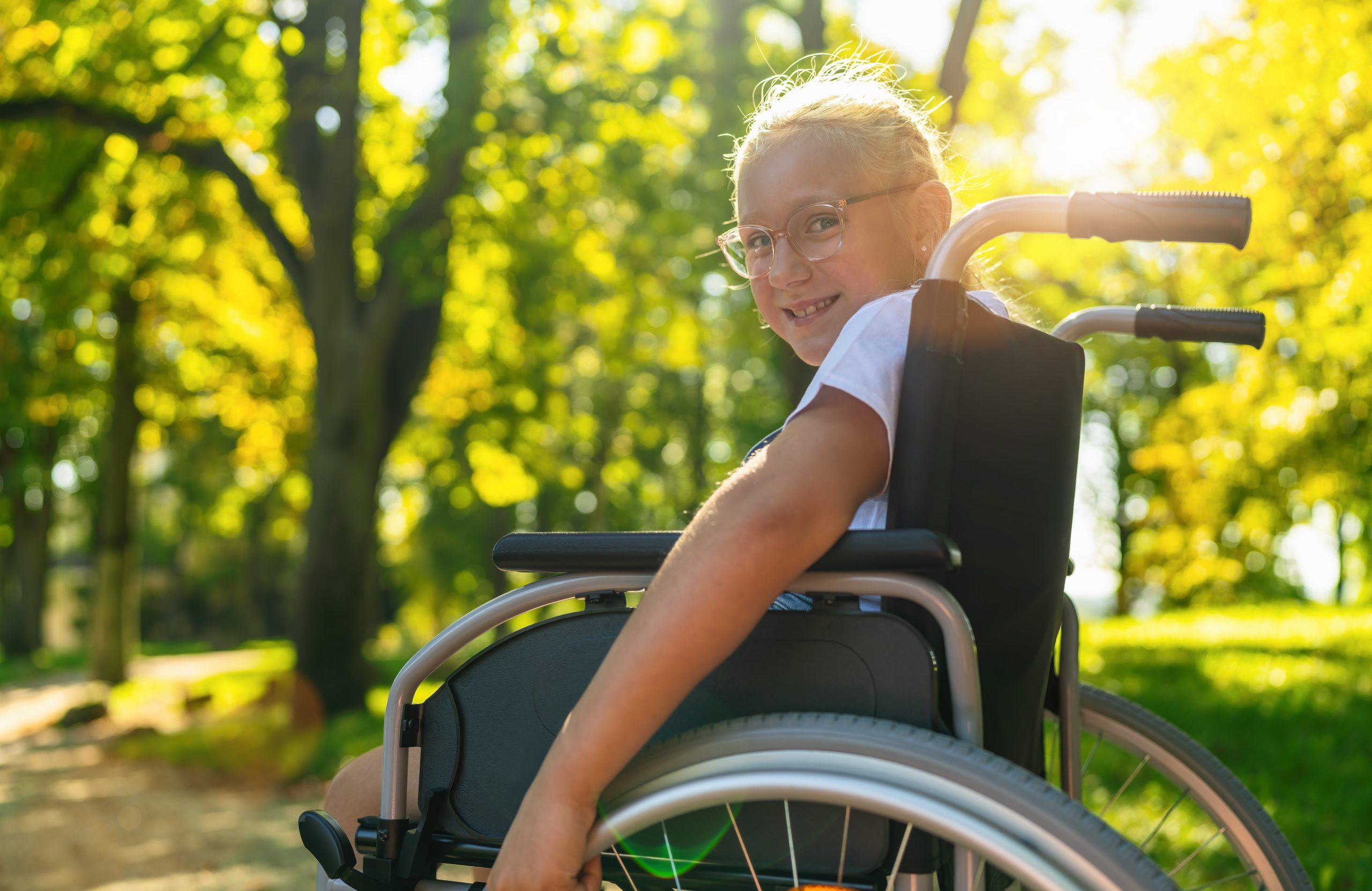
- weakness in the legs – many people find walking difficult and need to use a wheelchair or sticks
- difficulty swallowing (dysphagia)
- abnormal curvature of the spine (scoliosis)
- problems with eyes and vision, and sometimes hearing
Ataxias can also affect the immune system and may carry an increased risk of diabetes and some cancers.
Supporting a child with ataxia in school
- Make space in class to accommodate a wheelchair, or a child using sticks to get about
- Provide help with carrying heavy items
- Adjust the learning environment: reduce distractions, break down tasks into smaller sections, and provide extra time for visual processing
- Plan PE activities that are manageable and achievable. For example, swimming can help a child with ataxia with their mobility
- Encourage the child to participate in as many classroom and other school activities as possible
- Incorporate technology, such as a laptop and specialised software, and adjust computer settings to take into account speed and sensitivity to mouse movement
- Be flexible: a reduced school timetable or rest breaks may be necessary to manage fatigue and to allow the child to get treatment from therapists
- Create a positive, inclusive environment in which there is awareness of the condition among classmates and they are aware of what they can do to support their friend
Schools should collaborate closely with families and the child’s healthcare professionals to ensure needs are being met, including securing an EHCP.
*For further information go to: ataxia.org,uk. The organisation has produced a leaflet aimed at parents, which can be found here.