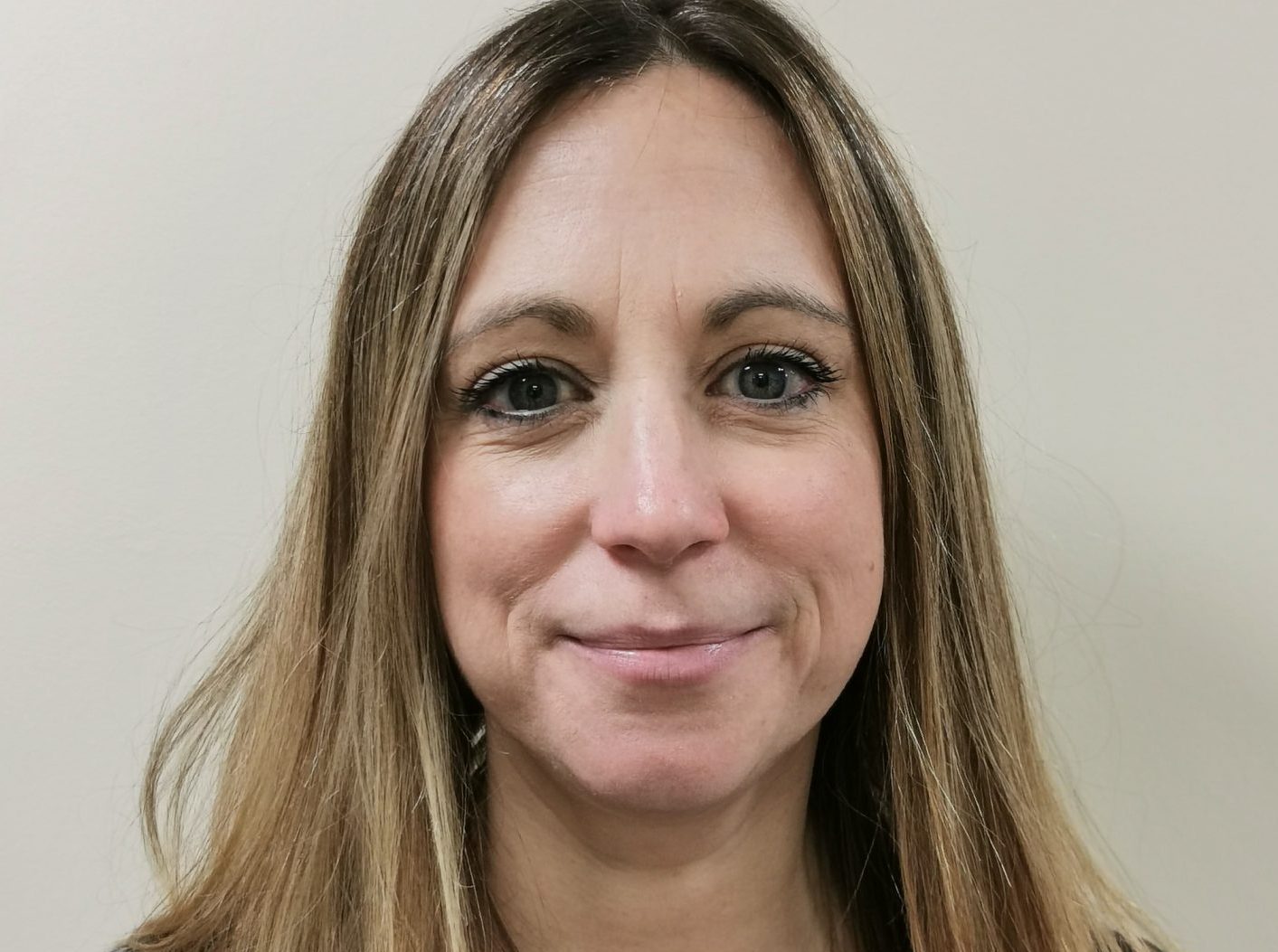
How did you become your school’s Senco and inclusion manager?
We relocated as a family from Reading to a small village just outside of Brighton.
I had been quite happy in my role as EYFS/KS1 Lead but needed to look for a job close to our new home. I was on maternity leave at the time and felt quite overwhelmed by the prospect of going through the process, having been out of school for the previous eight months.
Having spent the majority of my teaching career in reception and nursery I was looking for these roles, but was also open to KS1 as this was where I was teaching. I was very keen to be close to our home as my son was starting school and I wanted to work no more than 3 days a week.
I applied for a reception teacher role, although had reservations about it as it was fixed term – potentially leaving me unpaid over the summer holidays, it would also have been a step back in terms of career progression.
I was given an interview, loved the school, and everyone I met was welcoming and happy. However, I did not get offered the job.
A few weeks later I noticed another advert at the same school for a part-time Senco/inclusion manager, and this sparked my interest.
As a teacher I have always been a champion of SEND. The area I previously worked in had high levels of SEND and I had taught children with wide-ranging and high levels of need.
In return, these children taught me more than any others. I learnt how to hear what children need when they can not say it. I enquired about the role and sent off my application.
The school took a chance on me and offered me the role, which I was very excited to accept.
What strategies or initiatives have you introduced to support children with SEND in your school?
Over the last three years we have worked hard on improving our universal offer to improve access and be more inclusive.
As need increases and school budgets are depleted, it comes down more and more to the class teacher managing the varying needs of 30 children on their own.
We developed strategies like whole class movement breaks, consistent approaches to routines and transitions, and ensuring visual information is neuro affirming, to mention a few.
Another big initiative I led was driving a therapeutic approach to managing behaviours with a trauma-informed approach. We developed a robust de-escalation toolkit and consistent scripts to support regulation.
What makes you feel proud of your own work and that of your team?
There was a small group of six or seven children who were not accessing the classroom curriculum, despite all the changes we made to make the classrooms more inclusive.
This was leading to daily dysregulation, big behaviours and suspensions. We made the decision to create an internal alternative provision (IAP). We called it The Hive and ran it in our outside classroom.
The children spent the morning working in their class on the core curriculum with the afternoons being more of a child-led experience focused on regulation.
Knowing that they had this ‘escape’ in the afternoon allowed the children to access the classrooms in the morning, all with one-to-one support. The afternoons were then dedicated to gardening, cooking, role play, life skills and play.
The positives were that the children were more regulated and suspensions decreased. However, they were missing out on 50% of the curriculum, were not being taught by a class teacher and the outside classroom was either too hot or too cold.
We decided that while our approach worked it needed to be a short-term intervention with the aim of reintroducing the children into the classroom. Which we did!
Now these pupils are all in class for the majority of the school day, regulated for most of the school day and can access the curriculum.
When I first joined the school there were three children with an EHCP. Over the last 2 years I have written many EHCPNA applications and we now have 12 children with EHCPs.
How do you relax when you’re not working?
I have two small children so very little relaxing takes place, even though they are my sunshine and my joy!
We spend most of our days walking in the lovely countryside that surrounds our village, visiting the coast or local national trust properties. They reject any offer to relax or chill out in favour of clubs, activities and making their own fun at home.
We are very lucky that my husband’s family lives in Cornwall so we love holidaying there, as well as in Europe when we can.
When my youngest starts school next year I intend to reclaim some relaxation time, to exercise and drink tea with friends (maybe it will be time to get a dog!).
If you hadn’t gone into teaching, what might you have done instead?
I have an art degree so something creative, probably. My childhood dream was to be a mounted police officer, but I think that was more about riding horses than fighting crime.
Having spent time with many friends and families’ babies, as well as my own, I have gained a nickname as ‘the baby whisperer’ so maybe that’s something for another lifetime!
If you had 10 minutes with the education secretary, what advice would you give them?
More resources need to be pumped into the education system, and fast!
From all the research and data, we know that need is increasing in schools with SEND diagnoses at an all time high, special schools full, and numbers of EHCPs increasing.
We also know that school budgets are being stretched more than ever before. Teachers have been implementing quality first teaching and using a SEND first approach for a long time, so this is not new.
Teachers are coping, just! Schools are coping, just! But we are not miracle workers, and we do not have a magic wand.
It is possible to cope in the current climate, but it is not possible to thrive like we used to. Results will suffer and we either accept that this is enough and ‘okay’ (which is a terrible option), or we need more resources in the system.
People don’t go into teaching for the money – we have to love it and at the moment we don’t.