The state does not own our children. It does not conceive them, birth them, change their nappies or get up in the early hours to rock them back to sleep.
It has never stuck a plaster on their knee or stuck their scribbles proudly on the fridge. It does not know them as unique individuals with talents, skills and vulnerabilities, and apparently, it doesn’t care either.
Nobody in the Department of Education (DfE) loses sleep when our children cry late into the night, or have panic attacks, or cut themselves to temporarily distract from their psychological distress.
No matter whether their mental health has been destroyed by being forced to exist in an atmosphere of threat and control – regularly being shouted at for talking, or being refused permission to go to the toilet, or being told they must smile at and make eye contact with all teaching staff, or being put in isolation for wearing trousers that are too baggy, or too tight.
Which is why the DfE’s latest promotional campaign and its message is so out of touch to many parents whose children have a SEND.
We all wish our children could learn skills or a craft, or go to university, but for thousands of children those pathways are all but closed because of the effect school has on them, and noone is listening as to why.
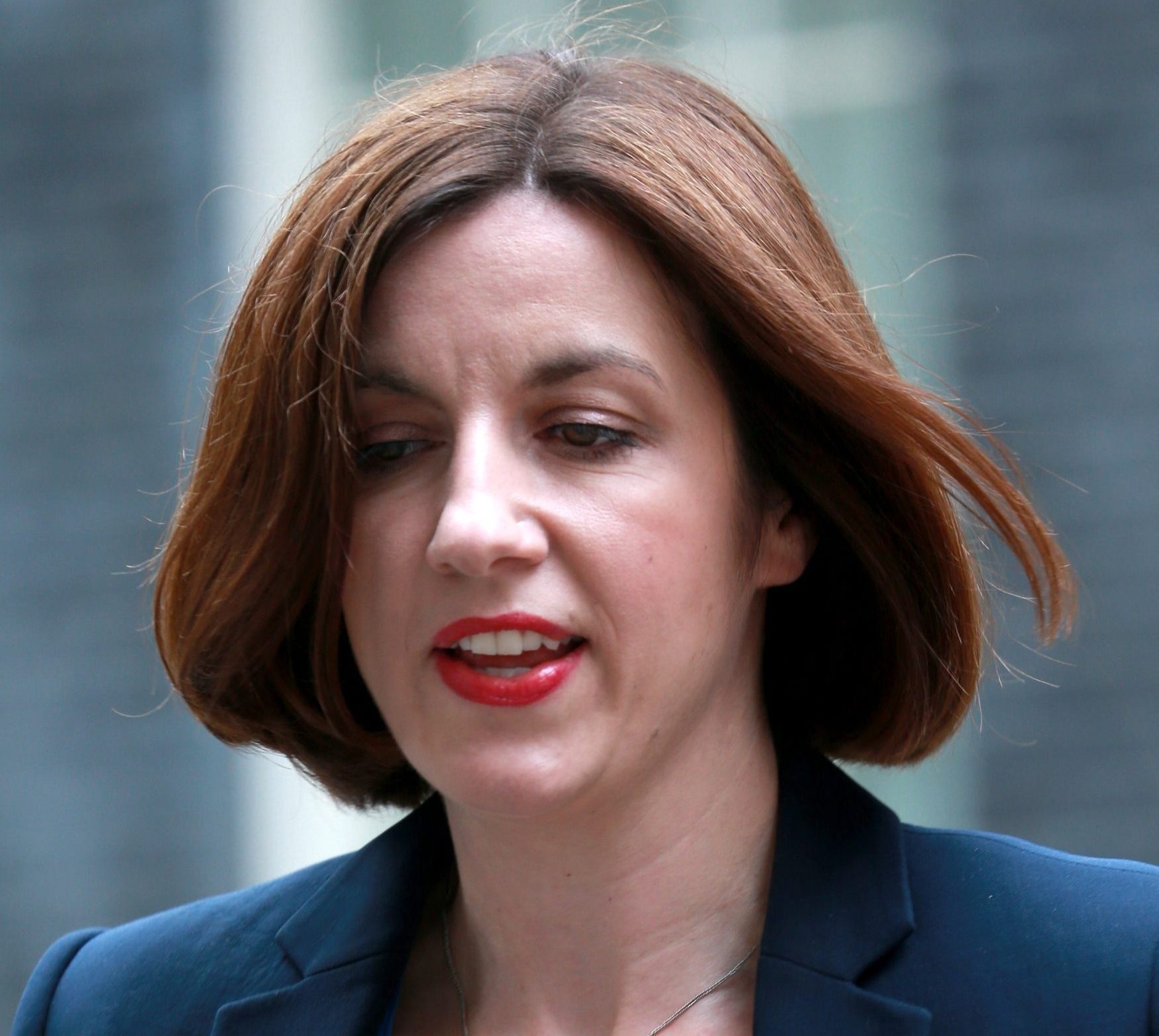
At a time when we need the government to engage with parents, children and young people about why school is such a challenging environment for them, the secretary of state (pictured) is contriving conversations with reality TV stars.
Threat and control
The DfE is content to grind its whole existence down to one mean statistic – their school attendance figure.
In fact, it seems to be fine if our children spend most of their time at school in isolation and detention, learning nothing other than that they are an annoyance, a problem to be fixed by punishment.
As long as they are on school premises, who cares whether they are actually learning anything at all?
If the actions of the state, through the services provided by the state (paid for by taxpayers) do material harm to the health and wellbeing of our children, parents have a moral and parental responsibility to step in and support their children.
We must not be required by law to prioritise compliance with a deeply broken system over supporting our children practically, physically and emotionally to cope with the effects of growing up in an increasingly chaotic and dangerous world.
Many of the dangers that our children face are caused or exacerbated by the actions, or inaction, of our government. We would be remiss in our duty of care to abandon our children to their fate in a system that neither knows them nor cares about their wellbeing.
Punitive policies
Our children are not economic units to be controlled and measured, they are individuals with minds and hearts and souls who deserve to be treated with respect, kindness and consideration – not least because these are the qualities which we expect them to learn and put into action in their own lives.
If we treat children brutally, with no consideration for their needs or rights, they will respond in kind, and society as a whole will be the poorer for it.
The education system is taking our bright-eyed, confident, happy kids and chewing them up, spitting them back out at the end of each school day exhausted and broken
We have already seen the devastating effects of the government’s lack of care or thought for children during the Covid pandemic.
More parliamentary time was spent discussing the effects of lockdown measures on those who wished to continue their leisure activities of hunting, shooting, fishing, and drinking in pubs, than they did considering the effects of those measures on pregnant women, babies, children and young people.
When schools reopened, parents hoped for understanding and compassion for their children who had been expected to somehow keep up while missing out on so much.
There was a golden opportunity to welcome children back to school with a renewed focus on play, connection and relationship building.
Instead we have punitive behaviour policies which cause further anxiety to children who have already lived through times of unprecedented fear and uncertainty.
This is not a criticism of teaching staff, many of whom are deeply unhappy about the culture of fear thar has developed within schools.
It affects them as negatively as it does the pupils, and the resulting staff recruitment and retention crisis further deepens the damage done to children’s wellbeing and attainment.
This is a criticism of an education system that is taking our bright-eyed, confident, happy kids and chewing them up, spitting them back out at the end of each school day exhausted, sad and broken.
Of course, children need to learn. But the decision as to how and where they do this should rest with their parents, who know them and care about them and understand their unique personalities and needs.
And if being in the school environment causes children deep psychological distress, then their parents should surely be encouraged to focus on keeping them safe, and doing all they can to improve their wellbeing.
To do otherwise in any other context would be cause for safeguarding concerns to be raised.
Jumping through hoops
Tens of thousands of parents are being forced to become full time advocates and experts in a labyrinthine system that claims to offer support, but instead forces us to jump through hoop after hoop.
Accessing SEN assessment or alternative education provision involves completing reams of paperwork, then sitting patiently on endless waiting lists, as the promised help recedes further and further away – mental health services are cut, funding for mentoring or counselling comes to an end, increased demand sees waiting lists get longer rather than shorter.
If we were talking about any other group of people, we would not be expecting them to accept the conditions that have been allowed to develop in our schools
We have had enough.
Enough of being told to ignore our parental instincts to protect our children from threats to their wellbeing.
Enough of being told to drag our children into school kicking and screaming, because apparently they are ‘fine once they’re in’ – despite the fact that they tell us very clearly they are not fine, and are deeply unhappy.
Enough of being told that we should make our already miserable children more miserable by removing home comforts, so that school seems marginally less awful in contrast.
Enough of sacrificing our children’s mental health for the sake of an increase in a percentage figure that measures attendance while ignoring distress, pain, panic and misery.
The truth is, if we were talking about any other group of people, we would not be expecting them to accept the conditions that have been allowed to develop in our schools.
If an adult friend told you that their employer wouldn’t let them take their jacket off if they were hot, or put it on when they were cold, or talk to colleagues, or go to the toilet, we would advise them to find a different job.
If they were feeling depressed as a result of their working conditions, we would suggest that maybe they should take some time off sick.
We certainly wouldn’t tell them that while they’re off sick, they should still get up early, wear their work clothes, sit at a desk during working hours, and deny themselves access to any activity that doesn’t relate to their job, or that soothes their distress.
It is time for society as a whole to rethink our relationship with our children.
Do we want a whole generation growing up traumatised by attempts to control and coerce them into spending their lives in institutions in which they don’t feel psychologically safe?
Or do we want them to grow up feeling empowered to have agency in their lives, to have intrinsic motivation to learn, and to create positive change in the world around them? The government clearly wants the former.
As parents, we do not agree, and we refuse to blindly comply. We will stand up and fight for our children’s right to be seen and treated as whole, complex people with innate value as members of society, rather than merely numbers on a school’s attendance report.
To do otherwise would be to allow our children to be crushed by a system that is not fit for purpose.
- The video of the Secretary of State and Gemma Collins can be found on the Department for Education’s social media platforms, including Facebook, Instagram and LinkedIN.