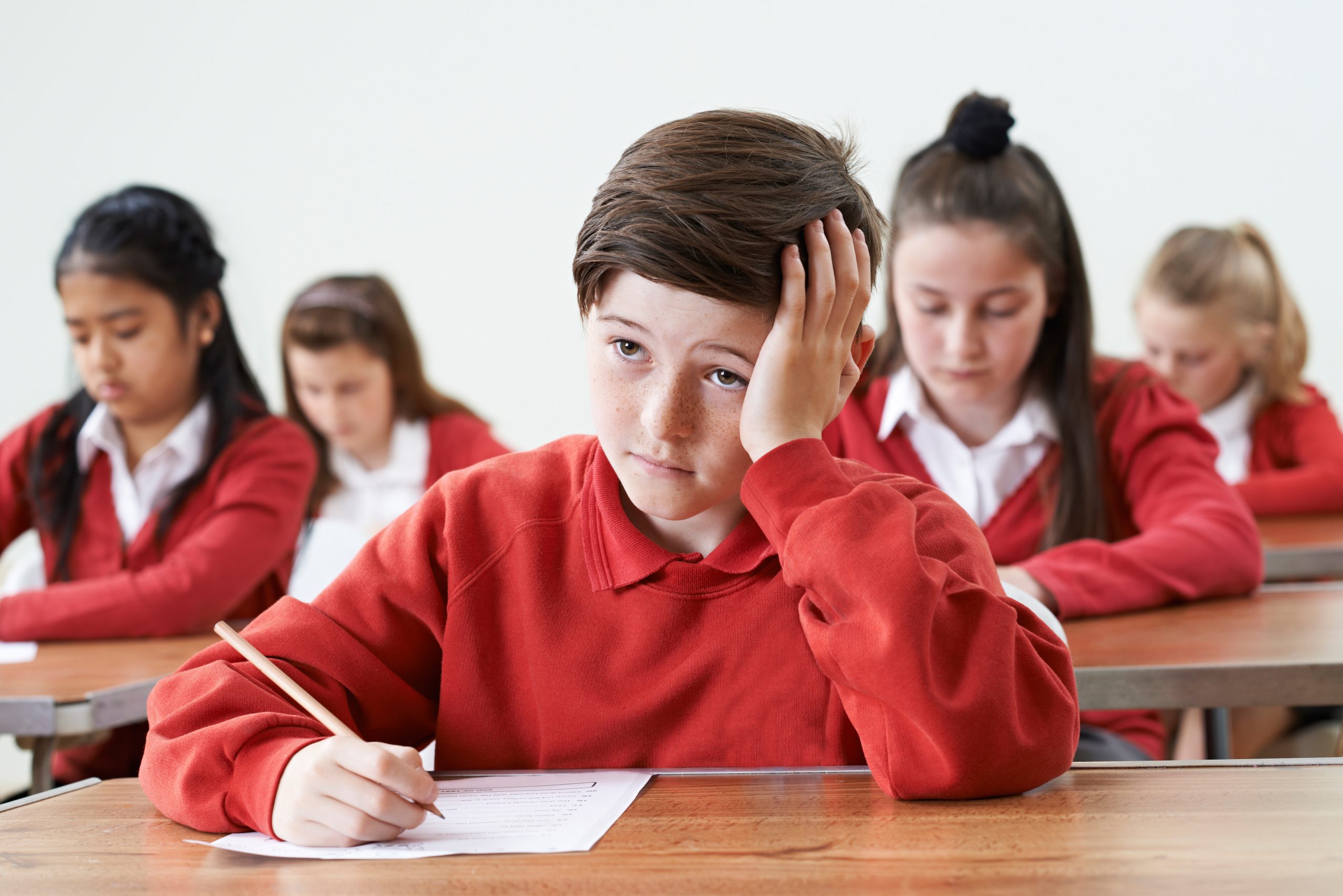
Every child in the classroom is processing the world through their sensory system, and no two children experience it in quite the same way.
Differences in processing can impact a child’s ability to engage in everyday activities such as learning, dressing, eating, socialising, or participating in school routines.
When these differences significantly interfere with daily life, they can be described as Sensory Processing Difficulties (SPD).
In 1972 Dr. Jean Ayres stated, “Learning is dependent on the ability to take and process sensations from movement and the environment and use it to plan and organise behaviour.”
When educators understand SPD, they are better equipped to place the unique child at the centre of their thinking and can adapt the environment and task to meet individual sensory needs. Even small adjustments to classroom routines or expectations may result in significant progress.
One observable reality is that behaviour such as a child covering their ears, walking away from an activity or shouting out in class may well result from a sensory processing difficulty.
Coping with overwhelm
Without this knowledge the behaviour may be moralised as bad behaviour. Many sensory-related behaviours are regulation strategies rather than defiance. A child who rocks, mouths objects or covers their ears in class is often attempting to cope with an environment that feels overwhelming.
A common misconception is that specific sensory tools calm everyone, however it is known that what supports one child may dysregulate another.
A wobble cushion might help one child maintain focus but may overwhelm others. These differences highlight the importance of understanding the individual child rather than applying universal strategies.
A child who makes loud noises or struggles to stay seated during lessons is a child who is likely hyposensitive and seeking more sensory input. They may need increased movement or a more intense sensory experiences to feel regulated.
In contrast, some children may avoid certain clothing, foods, or close physical contact. These children may be hypersensitive and are avoiding certain sensory input. They experience sensory stimuli such as noise, light, or touch as overwhelming and distressing.
Sensory-seeking behaviours occur when a child actively looks for additional input to help their nervous system feel organised and alert. These behaviours should not be dismissed as attention-seeking.
The child seeks to reach an optimal level of regulation. Sensory-avoiding behaviours occur when a child attempts to reduce or escape sensory input that feels overwhelming.
Three more sensory systems
While most people are familiar with five senses – sight, sound, smell, taste, and touch -there are three additional sensory systems that play a crucial role in behaviour and participation.
Fewer people have had the opportunity to consider proprioception, vestibular, and interoception.
The proprioceptive system helps us understand where our body is in space and how much force to use. Children with difficulties in this area may appear heavy-handed, break equipment, or engage in over physical play with others.
Punitive approaches fail to address the underlying needs of the child
The vestibular system is responsible for movement and balance. Some children may seek constant movement, including spinning, jumping, or fidgeting, while others may avoid movement altogether and become avoidant during physical activities.
Interoception refers to the awareness of internal body signals such as hunger, thirst, or emotional states.
Difficulties in this area can affect a child’s ability to recognise when they need the toilet; can result in difficulties regulating emotions: or their ability understand physical sensations within their body. This is often why behaviour can appear sudden or unpredictable.
Regulating the nervous system
In the classroom, we may notice behaviours we would describe as challenging, such as, fidgeting, roaming, withdrawal, aggression, or refusal.
These behaviours are not always deliberate acts; they may be attempts to regulate the nervous system by either increasing or reducing sensory input.
Sensory-driven behaviours occur at a neurological level and are often outside of the child’s conscious control.
Children may cope in one environment but struggle in another, depending on the sensory demands. When sensory stress is reduced, these behaviours decrease or settle.
Because sensory-driven behaviours originate from the nervous system’s attempt to regulate, behaviour management approaches such as sanctions or punishments are ineffective.
Punitive approaches fail to address the underlying needs of the child and are unlikely to prevent the behaviour reoccurring.
Effective support requires a preventative and protective approach. This approach involves adapting the environment and staff expectations to reduce sensory stress and support regulation.
The aim is to understand, and meet need not simply correct or control behaviour.
Learning as a three-way task
The Person, Environment, and Occupation model (PEO) provides a useful framework for understanding participation. It highlights that behaviour and learning are shaped by the interaction between the child, their environment, and the task we are asking them to do.
The PEO model was developed within the field of Occupational Therapy and is used for understanding occupation and participation.
Sensory processing differences sit within the ‘person’ component of the PEO model, however its impact is best understood when considered alongside the environment and task. Difficulties often arise not just because of the child’s actions, but because of a mismatch between the three elements of the PEO model.
When children are regulated, they feel safe, understood, and ready to learn
By adjusting the environment and/or the demands of the task, educators can significantly improve a child’s ability to participate.
Simple strategies can make a big difference for children with sensory needs. Adaption may include chunking tasks into more manageable steps or allowing extra time for transitions or ensuring the availability of alternatives activities.
Simple planned strategies such as limited choice can increase a child’s sense of control and safety, and support with the sensory experience by planning to increase or reduce the sensory input.
Shifting our understanding of behaviour
Enhancing participation begins with a shift in how we understand behaviour.
When educators recognise that what is described as bad behaviour may be better understood as sensory processing differences, we encourage the move from attempts to control behaviour to a focus on meeting need.
By adapting environments and occupation (the task), we reduce sensory stress and support regulation. When children are regulated, they feel safe, understood, and ready to learn.
Without regulation, participation is difficult. But when regulation is supported, meaningful engagement, inclusion, and progress can follow.
Regulation must come before expectation.