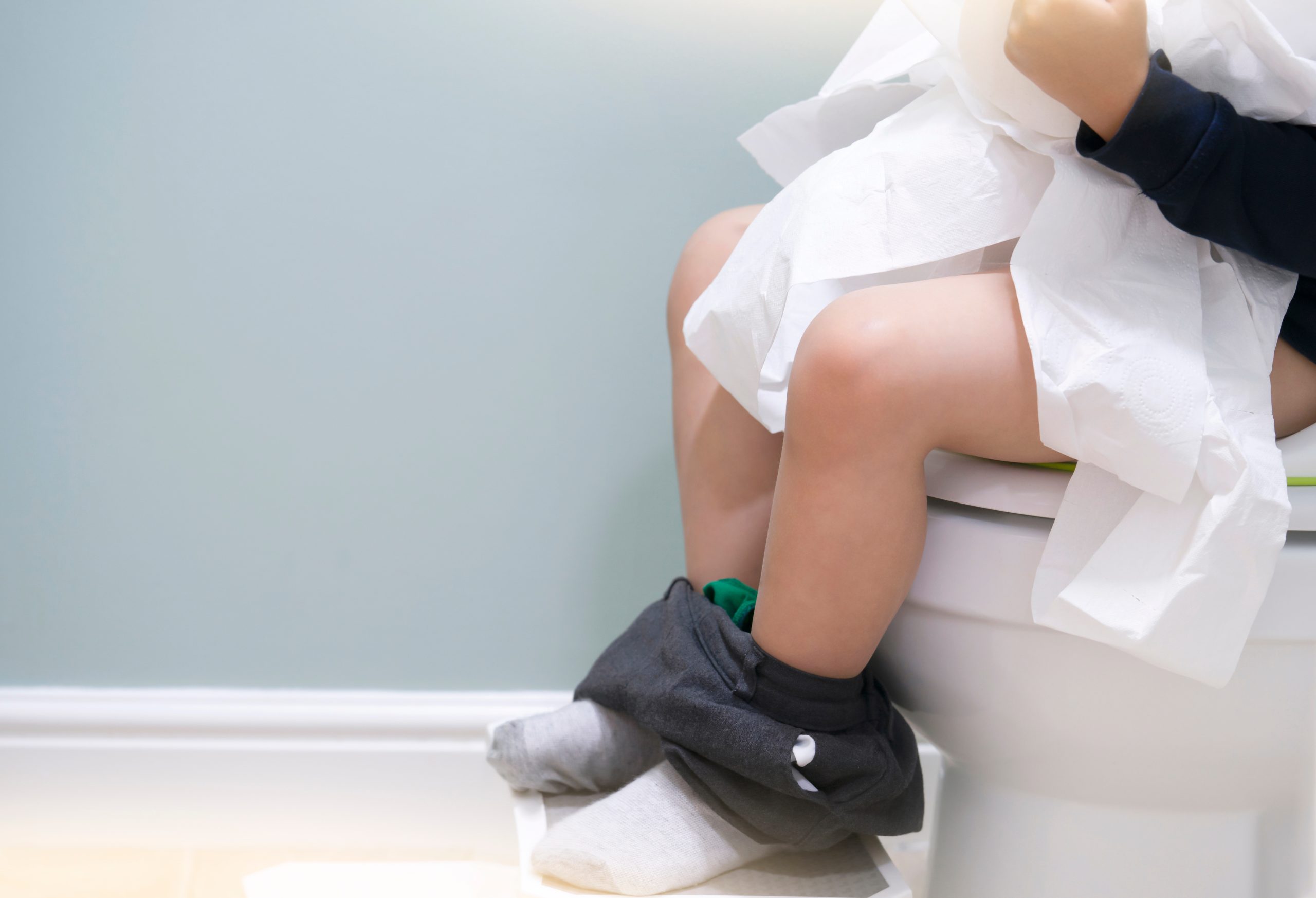
Toileting is a vital part of a child’s health and wellbeing. Children spend a lot of their time at school so it’s important for everyone involved in a child’s care to understand their toileting needs, including promoting optimal bowel and bladder health and what to do when things go wrong, such as when there’s constipation.
Bowel and bladder problems like constipation can have a serious impact on a child’s learning, development and wellbeing so it’s important to get it right.
Up to 1 in 3 children in the UK struggles with bowel problems and children with additional needs are more likely to experience constipation. Most children, including young people with additional needs, have what’s known as functional constipation. This means that there’s no underlying organic cause. Their bowel should work properly, but for some reason they’ve become constipated.
The important thing to know is to treat children with additional needs who experience constipation the same as you would any other child.
Although individual children’s needs are varied and unique, there are principles we can apply to help us look after all these children’s bowels and bladders and guide them to learn to use the toilet.
What causes constipation?
Constipation is a build-up of poo that is hard to pass – a ‘poo traffic jam’. Watch our ‘Pooper Highway’ video to find out more. The aim is for all children to pass soft stools between three times a day and four times a week. The poo checker on ERIC, The Children’s Bowel and Bladder Charity’s website can help parents and carers to see if their child’s poo indicates constipation. Our advice sheet contains more information the other signs and symptoms of constipation in children.
There are many reasons why children with additional needs are more likely to experience constipation, including:
- Communication difficulties
- Mobility problems
- A limited diet, either self-imposed or perhaps due to tube feeds
- Their fluid intake may be less than ideal
- A side effect of essential medication
- Sensory difficulties
- Anxiety may prove a significant obstacle potentially leading to increased stool withholding
- Don’t assume a bowel problem is entirely due to the additional need. Treat them in the same way as you would any other child.
Children with additional needs may benefit from toilet visual schedules, social scripts, and stories, to help understanding and encourage independence
Symptoms of constipation are the same regardless of any additional needs. Treatment is too! It’s important that the child is examined by a GP, to make sure the symptoms aren’t caused by an underlying condition and to make the diagnosis of functional constipation. The first line treatment should be a macrogol laxative. See Constipation in children: symptoms, causes and relief – ERIC for details including how to encourage children to take them.
A life skill
Nearly all children can learn to be clean and dry – it may take longer, and they may need more support, but toilet training is a life skill. You can help by supporting and encouraging parents/carers on this journey. Consider the child’s toileting needs and what could help them.
Perhaps they’ll need an assessment by an occupational therapist to identify a suitable toilet chair; or maybe they use a different method of communication, such as signs/pictures/symbols.
Some children have sensory or interoception problems, while others may be struggling with toilet anxiety.
Children with additional needs may also benefit from toilet visual schedules, social scripts, and stories, to help understanding and encourage independence.
Tools such as the Bladder Bowel Assessment and Toilet Readiness Assessment can be found on the ERIC website, and can help you and the child’s parents/carers plan appropriate toilet timing and support. Further advice can be found here.
What can schools do?
- Communicate with parents/carers: ensure there is effective communication on toileting needs and plans between family and teachers and/or SENDCos. Agree to take one step at a time. ERIC’s Individual Healthcare Plan and Intimate Care Policy may be helpful.
- Provide access to drinks: Children should be drinking 6 – 8 cups of fluid each day, with half of their daily intake in school hours. Dehydration impacts learning, wellbeing and bladder and bowel health, including constipation. Not all children will be fully aware of being ‘thirsty’ so require promptings and encouragement to drink throughout the school day.
- Consider the state of your school toilets: including access and design, which can affect a child’s willingness and ability to use the toilets. Many schools close toilets during lesson time to discourage leaving the classroom or to stop bad behaviour, but this can have detrimental health effects on children who have bowel and bladder problems.
- Protection and reminders: there are products that can help children experiencing bowel and bladder issues such as toilet/drinking reminder watches, protective underwear, and books to educate.
- Courses: ERIC offers online learning courses for early years practitioners on potty training. Learn the approach through videos by our specialist nurse, then answer questions to gain a certificate. Teachers can watch this webinar.
- Read: ERIC has teamed up with Bladder and Bowel UK to produce comprehensive, practical guidance for education settings regarding bladder/bowel issues and toileting.
- Be patient, persistent and positive! Even with great efforts and plans in place, managing bowel and bladder issues can still take time and accidents can still happen. Encourage parents/carers to keep going.
* For more information go to eric.org.uk.