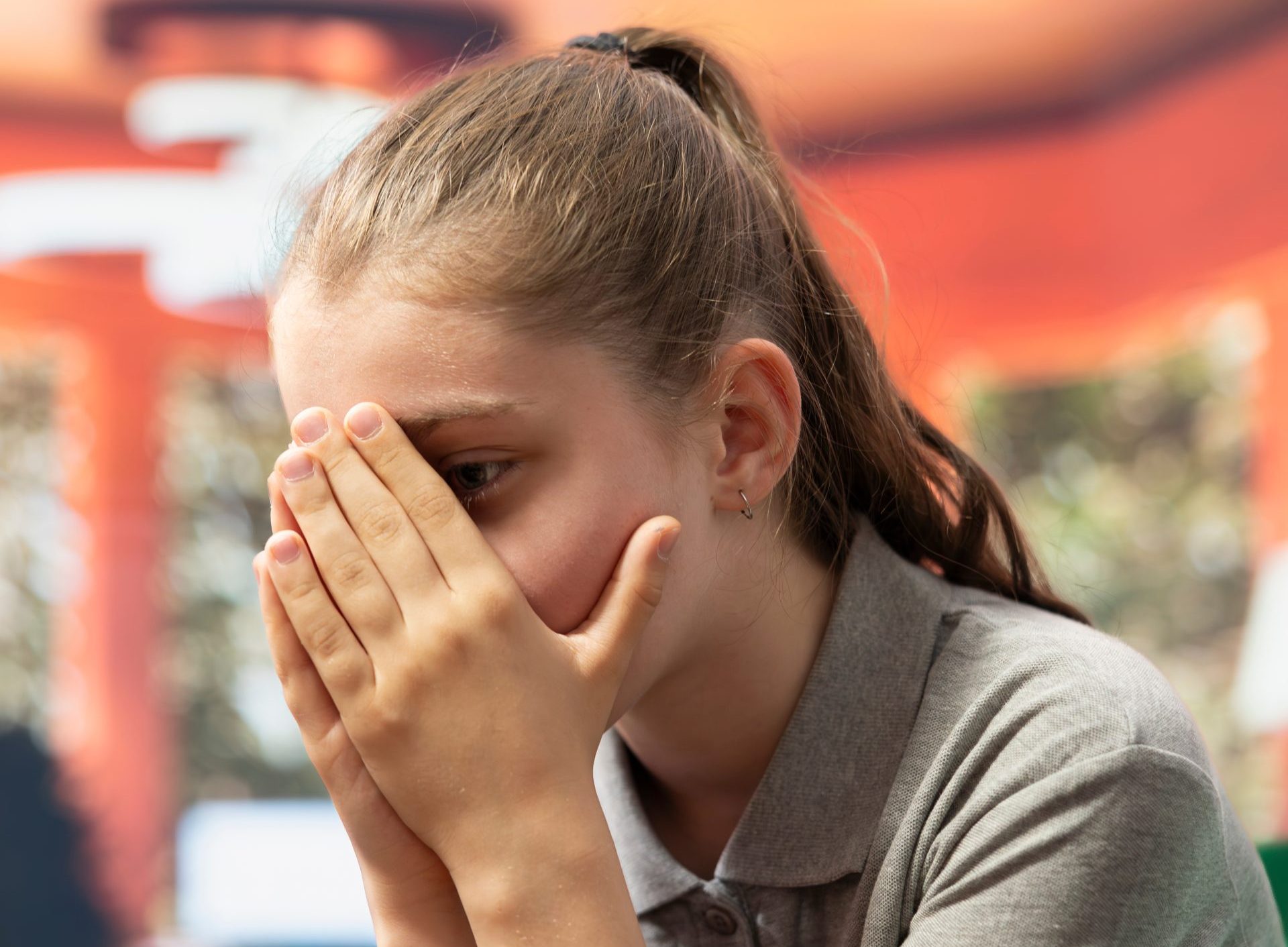
Bipolar disorder is a chronic mental health condition characterised by extreme and long-lasting changes in mood and energy, resulting in ‘highs’ and deep ‘lows’. This affects day to day functioning and relationships.
It can be harder to diagnose in children because many of its characteristics – such as high energy and irritability – are traits already found in youngsters.
Experts believe bipolar disorder is more common in teenagers with extreme highs and lows presening as severe irritability, high energy, risky behaviour and changes in sleep patterns, as well as sadness and problems with focus.
Some teenagers may feel overly important or powerful and have quick-changing moods that then last for days or weeks at a time.
Bipolar disorder can sometimes be confused with other conditions such as ADHD or anxiety, and requires diagnosis from a specialist professional. It is treated with medications such as antidepressants and psychotherapy.
Supporting a child with bipolar disorder in the classroom
Children with bipolar disorder need routine, flexibility and a safe place or person to whom they can go when extra support is needed.
- A set schedule and predictability in the school day, will help to reduce anxiety and stress. This might include support when moving classrooms for different subjects. Try to avoid distractions in and outside the classroom
- Workload for a bipolar children can be hard to manage, so breaking up tasks into smaller bits, reducing amounts of homework and giving extra time to complete tasks will be helpful.
- Allow the child to leave the class if they start to feel overwhelmed, and ensure there is a safe space for them to go, or a designated staff member who can support them
- Sleep problems can mean they are tired during the day so factor in late arrival at school for such eventualities
- Let minor transgressions go without the need for major sanctions, and focus on positive reinforcement and building confidence and self-esteem
- Maintain regular communication with the school Senco, the child’s parents and other health professionals to monitor triggers and the child’s symptoms
- Ensure staff are aware of the child’s condition so that they understand that outbursts are part of the condition
- Some medications can cause dehydration or more frequent trips to the toilet, so allow access to water and use of the toilet
- Keep an eye out for potential bullying or teasing. The child’s mood swings can affect their social skills and ability to make and keep friends.
For more information, go to https://www.nhs.uk/mental-health/conditions/bipolar-disorder/