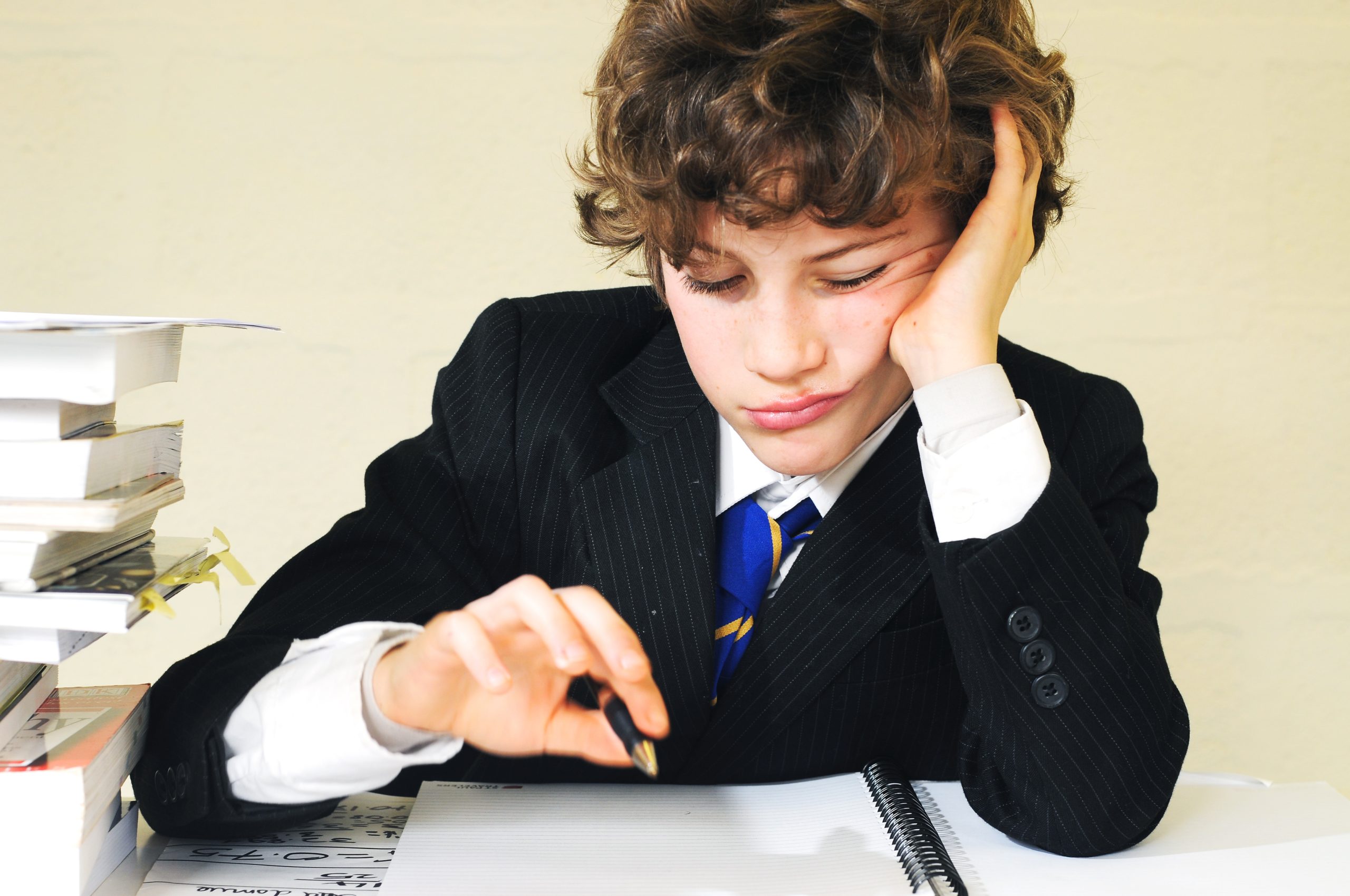
Many people with ADHD also experience rejection sensitive dysphoria (RSD).
It means that, for example, if a teacher calls the RSD child over to them in the classroom, the pupil will immediately be fearful that they are in trouble or going to be humiliated in front of their peers – before they even know why their teacher wants to speak to them.
Or they may feel rejected, angry and intensely sad when a friend cancels a playdate, even when they know that the friend has done so because they are sick.
To the RSD pupil, being told to stop fidgeting or to be quiet by a teacher in class can sound like criticism or scolding. Their feelings of shame, sadness or anger are disproportionate to the reality of what has happened.
Some of the characteristics of RSD include:
- Feeling easily embarrassed or self-conscious
- Displaying low self-esteem
- Showing extreme emotional reactions to perceived rejection
- Internalising emotional reactions, which can look like mood swings
- People pleasing
- Procrastinating or avoiding situations that could lead to perceived failure
- Feeling they must be perfect to be accepted
Supporting a child with RSD in the classroom
Supporting children with RSD in school means being kind and mindful of feelings, choosing words carefully and communicating openly. However, it is also important to teach pupils with RSD resilience and how to regulate emotionally to reduce negative feelings about themselves.
- Be specific in instructions and feedback: Avoiding ambiguity by giving feedback in a clear, gentle and kind manner to avoid potential feelings of failure. It is good to focus on strengths and achievements, rather than mistakes or challenges.
- Positive reinforcement: Actively celebrate achievements and provide plenty of positive praise to build confidence.
- Acknowledge feelings: If the need arises, validate the child’s intense emotions without judgment, by telling them their feelings are real and understandable. You may need to reframe negative thoughts about something they cannot control, for example, by asking how they know what will be the outcome.
- Normalise making mistakes: Remind them that making mistakes is a normal part of learning and personal growth, and that they are a valued and worthy member of the class regardless of performance.
- Encourage flexibility in thinking: Help your RSD pupil to understand that one negative experience doesn’t mean a door is closed forever but can be the beginning of another, better opportunity.
- Teach self-soothing: Deep breathing and grounding exercises can calm the child down when their emotions are high.
- Encourage understanding among peers: Explain to classmates that even well-intentioned and gentle teasing can be painful and lead to negative emotions in an RSD child.
*For further information go to https://edgefoundation.org/?s=RSD; or https://www.adhdfoundation.org.uk/ and https://adhdaware.org.uk/