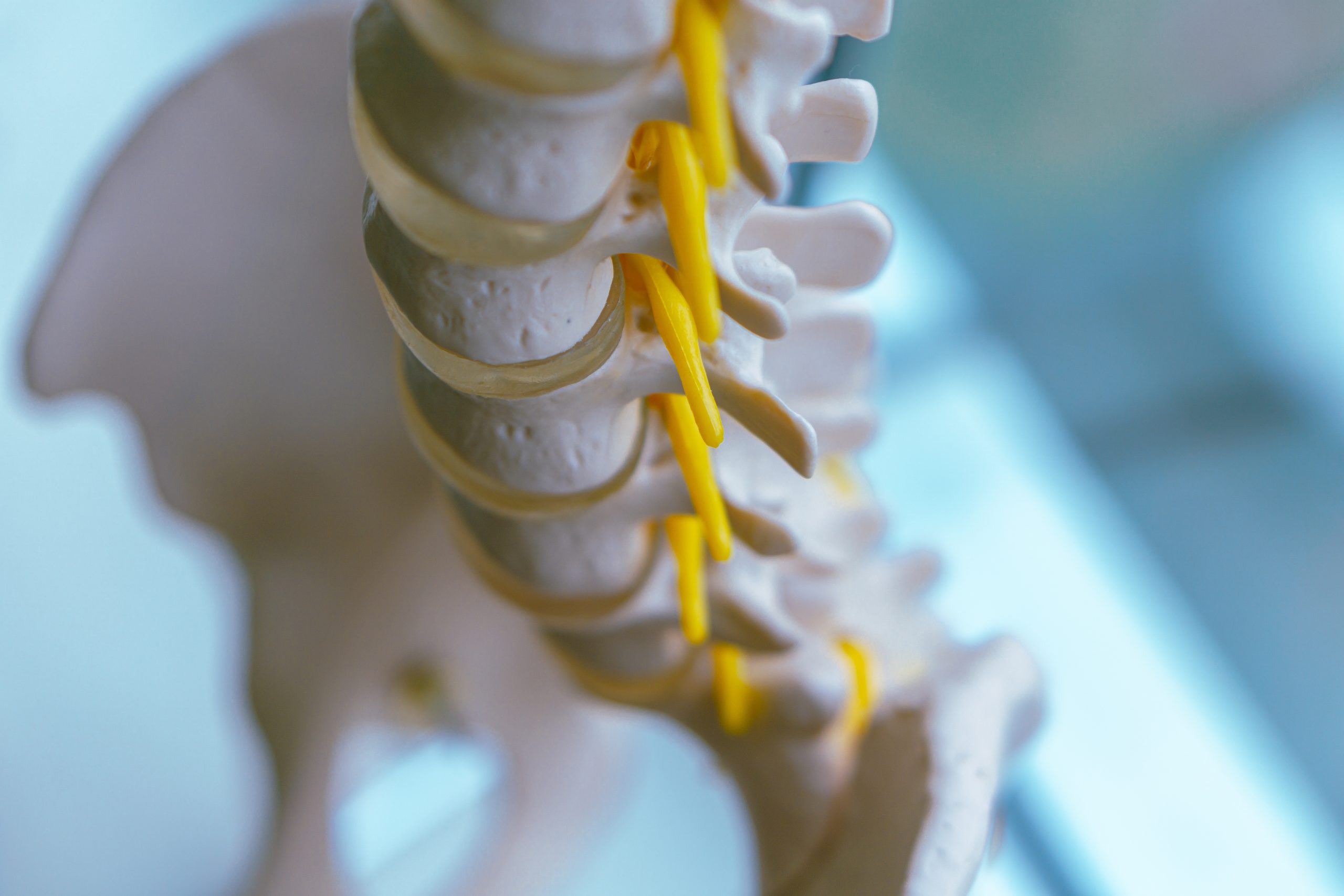
The name spina bifida means ‘split spine’, and children with the condition typically have a gap in the spine, from which the spinal cord and the membranes around it may be pushed out, forming a sac in their back.
Hydocephalus is often associated with spina bifida and is a build-up of fluid on the brain, causing pressure on the skull. Children with both conditions may have needs relating to cognition and learning (particularly executive function); sensory and physical; communication and interaction; and social, emotional and mental health.
The different types of spina bifida are:
- myelomeningocele
- meningocele
- spina bifida occulta
The first of these is the most severe, and the third one the mildest and most common. Spina bifida affects 0.06% of babies born in the UK, and it is usually caused by a deficiency in folic acid in pregnancy.
Most people with spina bifida have normal intelligence, but some children may have learning difficulties.
Symptoms of spina bifida
While surgery can help to close the gap in a child’s spine, the nervous system may already have been damaged which can lead to health problems, including:
- weakness or total paralysis of the legs
- bowel or urinary incontinence
- loss of skin sensation in the legs and around the bottom, resulting in the child being unable to feel hot or cold, which can lead to accidental injury
- hydrocephalus, which can further cause damage to the brain
Supporting a pupil with spina bifida and hydrocephalus in the classroom
- Classroom Accessibility: Children with spina bifida may use splints, braces or a wheelchair, so the classroom needs to be organised to give them space. Advice from the family, occupational therapists and other professional should be sought to ensure the classroom is as inclusive as possible.
- Seating in class. Sitting the class close to the front of the class might be helpful to limit problems with accessibility, and also ensure that the child can easily go to the toilet if needed.
- Breaking down tasks. Children with motor skill difficulties will benefit from classroom tasks being broken down into smaller, more manageable steps
- Toilet facilities: These should be open and accessible to accommodate the needs of the child, and staff trained appropriately. The child might need to be given additional time away from the classroom.
- Keeping hydrated: Children with hydrocephalus, in particular, need to be well-hydrated as dehydration affects brain function
- Assistive technology. If pupils have limited motor skills, a laptop or tablet might provide extra support with learning
- Pairing and buddy Peer support can help keep the child engaged and on track in the classroom
*For more information go to https://www.shinecharity.org.uk/spina-bifida/types-of-spina-bifida and https://www.nccd.edu.au/professional-learning/classroom-adjustments-spina-bifida