Finding out more about…cerebral palsy
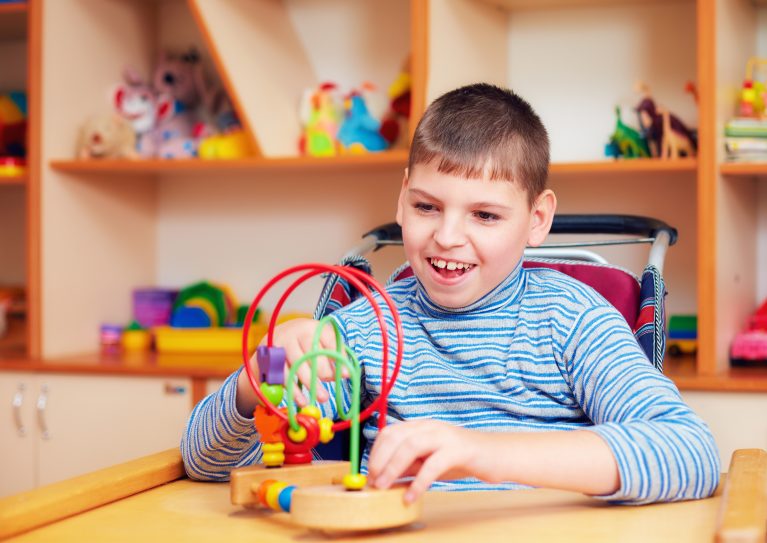
Cerebral palsy affects about one in every 400 children in the UK
Cerebral palsy affects about one in every 400 children in the UK
Home-educated and online school pupils (usually) need to make their own arrangements for entering exams
Department for Education advisors admit drafting reforms to SEND are causing challenges
An IHP sets out a child's medical needs while they are at school
OCD is an anxiety-related condition characterised by unwanted thoughts, images or urges
Epilepsy is a condition of the brain that causes repeated seizures
National Children's Bureau to be lead partner
Careful planning and consideration are needed to address potential challenges related to accessibility, anxiety, and specific need
Up to 10% of the population has dyspraxia but it is not as well known as other learning difficulties
Children with spina bifida have a spine that has not developed as it should in the womb
Ofqual said rest breaks might be more appropriate for many SEND candidates
It is estimated that about 10% of the population are left-handed which equates to around three pupils in every classroom
Seven in ten school staff say they are struggling to cope with children’s needs
A review of the school curriculum and a more personalised approach has led to improved outcomes and better attendance
A child will be diagnosed with Tourette if they have displayed motor and vocal tics for more than 12 months
An estimated two million children in the UK have some sort of communication challenge
Campaign group, Voice for Learners, grew out of an online school community - and wants all children to have the same opportunities
Report from Girlguiding shows girls change everyday behaviour to avoid sexual harassment
Children’s commissioner calls for changes to referrals to local authorities
Education select committee publishes detailed changes to improve provision and urged Ministers to save EHCPs